Get Full Government Meeting Transcripts, Videos, & Alerts Forever!
Get email alerts on the County Finances Budget topic
No spam. Unsubscribe anytime.
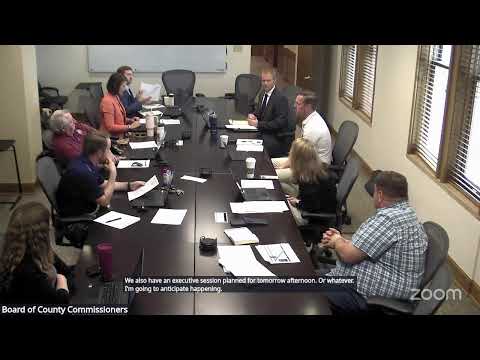
Spokane County finance update: sales tax receipts beat forecast but $40M structural gap persists, staff cuts and FTE clean‑up planned
Summary
Spokane County finance staff told commissioners on June 16 that May sales‑tax receipts came in ahead of forecast — about $6.6 million for the month and $31.2 million year‑to‑date — but the county still faces roughly a $40 million structural gap and is pursuing personnel and budget‑cleanup steps.
Spokane County finance staff reported on June 16 that May sales‑tax collections were stronger than expected, but the county still faces a large budget gap and is pursuing personnel and budget‑cleanup measures to close it.
The county’s finance presentation to the Board of Commissioners showed May collections of about $6.6 million and year‑to‑date taxable sales receipts of roughly $31.2 million — about 0.6 percentage points over the forecast and 2.8% higher than the same period last year. The staff noted a 12‑month rolling growth rate of 1.7% and singled out sector performance: accommodation and food services were up 10.4% year‑over‑year, construction activity and nonresidential building were notably strong, while retail trade and some discretionary sectors lagged.
Despite the better‑than‑expected sales‑tax month, staff said the county began the year with an approximately $40 million structural gap driven by expenses rising faster than revenues. Finance staff presented a five‑month report showing timing mismatches in capital and intergovernmental revenues, and they identified several near‑term actions: a salary‑recovery estimate of about $3.3 million, planned removal of roughly 40 long‑vacant positions from the HR system, elimination or reprioritization of hundreds of “extra‑help” temporary positions, and a net reduction of about 42 FTEs from the beginning of the year in county personnel records.
FTE and vacancy cleanup: Staff asked the board to allow removal of positions that have been vacant and not posted for at least six months; presenters said the auditor and several departments reviewed the list and that the move would not immediately create salary savings where positions were already unfunded, but it would clean the HR system ahead of the county’s Workday implementation. Commissioners were told the sheriff’s office and other departments would be consulted before any position is removed.
Budget math and reserves: Finance staff said prior board decisions on fund balance and one‑time uses (including a previously discussed $3.5–4.0 million risk/flexibility allocation and a $6 million SaaS cost in the modeling) remain in the projections and that applying the identified measures would substantially close the gap. Staff warned that union contract retroactive payments and some timing issues will change the figures when those items are recorded. The county also plans to bring targeted budget amendments for earlier capital spending (for example, a sheriff’s helicopter purchase) and for transfers that showed as timing variances in the five‑month report.
Sheriff’s budget and capital requests: Commissioners asked detailed questions about the sheriff’s budget posture, including how vacant positions and capital requests (vehicles and laptops) interact with staffing levels. Finance staff said they will meet with the sheriff to reconcile actual staffing, attrition and capital spending to determine whether budget moves the sheriff has described reflect real reductions or internal reallocation of budget‑line authority.
Next steps: County staff will present detailed midyear updates and budget amendments as year‑end closeout and union settlements proceed. Staff also plans to bring a cleaned FTE list and a process for returning funded positions if departments demonstrate need and resources. No formal votes were taken; the meeting was informational and preparatory for the board’s upcoming budget decisions.