Get Full Government Meeting Transcripts, Videos, & Alerts Forever!
Get email alerts on the Facilities Turf topic
No spam. Unsubscribe anytime.
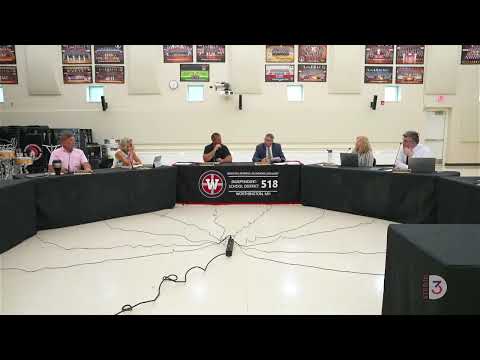
Board hears pros and cons of artificial turf as district considers softball and middle‑school field bids
Summary
Facilities staff and a former college player told the board that artificial turf allows more reliable, high‑use scheduling in Worthington’s spring weather, but board members asked about safety, heat and costs; no bid awards were made.
District staff briefed the Worthington Public School District board on differences between artificial turf and natural grass as the district prepares to solicit bids for middle‑school and softball fields.
Josh Dale, introduced by the board as present to answer questions on turf, said the biggest difference is playability in the local climate: "With natural surfaces, especially clay or a granular line, once that gets wet, it's very difficult to play. Whereas if you have artificial turf, it could rain 2 inches that day, and you can get out on that field and play that event." He cited the district’s spring weather and heavy field use as reasons many programs prefer turf.
Dale said turf expands usable hours and seasons — enabling more school and community activity without cancelations — and suggested the district could host youth soccer or collaborate with Minnesota West if it installs artificial turf. He also noted the city parks staff report that fields across town are used daily, so a durable surface could reduce maintenance interruptions.
Board members asked about safety and health concerns. One board member asked whether turf is "damaging to bone development in young people"; Dale said he could not cite statistics and noted that athletes take injury risks on any surface. The board also asked about heat on turf; staff acknowledged heat can be a concern but provided no numbers in the meeting and said they would collect more information.
No formal decision was made on field type. The board heard that the district will solicit bids for both artificial turf and natural grass options so members can compare cost, warranties, maintenance and safety studies before deciding.
What happens next: administration will issue bid requests for both turf and grass options, gather comparative cost and safety information, and report back to the board for a future decision.