Get Full Government Meeting Transcripts, Videos, & Alerts Forever!
Get email alerts on the Animal Control topic
No spam. Unsubscribe anytime.
Council approves second-reading and adopts TNR policy after contentious public hearing
Summary
After hours of public comment both for and against, the council approved the trap-neuter-release ordinance on second reading with a 5-1 vote; supporters urged humane, cost-saving alternatives to current euthanasia practices while opponents said TNR is inconsistent with responsible pet ownership.
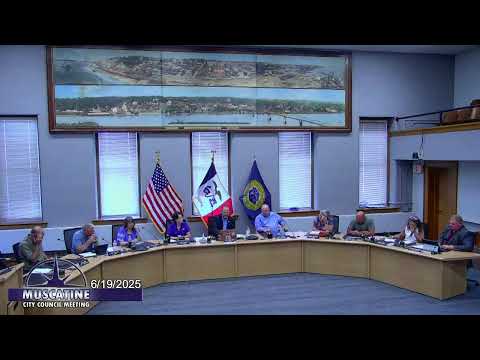
The Muscatine City Council voted 5-1 on June 19 to approve a second-reading ordinance adding a community cats (trap-neuter-release, TNR) provision to city code, advancing the measure toward adoption.
Supporters from the community urged the council to adopt TNR as a humane and cost-effective alternative to the city’s existing practice of trapping and euthanizing feral cats. “We’ve done this for years and years and nothing is different,” local resident Casey Keeler said during public comment. “Why wouldn’t you try something new that is proven to work?”
Speakers backed by data and national examples told council members TNR programs have reduced colony sizes in other jurisdictions. Megan Keeler and Priscilla Brown cited studies and a state law exception that they said allows TNR; Megan provided an estimate the city now euthanizes roughly 400 cats annually and urged the council to adopt humane sterilization as a preventative approach.
Opponents, including Council member Gingerich, argued TNR conflicts with responsible pet ownership and that euthanasia or other removal policies are more appropriate. Gingerich told the council she had long opposed TNR and said she believed it disrespected some residents’ rights and property.
Motion and vote: The measure was moved by Council member Gordon and seconded by Council member Lewis. The roll call produced five ayes and one nay: Brockert Aye, Conner Aye, Lewis Aye, Gordon Aye, Gingerich Nay, Lampi Aye. The ordinance passed the second reading under the council’s procedures with the recorded vote.
Why this matters: Supporters said TNR reduces the number of feral cats over time, frees up shelter space, reduces euthanasia costs and reduces disease spread through vaccination. Opponents questioned efficacy and raised concerns about wildlife predation and nuisance behavior. Council members said the record of public comment and legal considerations would inform implementation.
Implementation notes: Council did not adopt accompanying budget details at the meeting. Speakers and several council members referred to grant-writing and volunteer capacity from local groups that offered to run or help fund TNR operations. The city clerk and staff indicated follow-up steps for ordinance publication and operational planning would be handled by city staff and volunteer groups.