Get Full Government Meeting Transcripts, Videos, & Alerts Forever!
Get email alerts on the Superintendent Contract topic
No spam. Unsubscribe anytime.
Board approves superintendent contract changes after objection from a member
Summary
The board approved changes to the superintendent's contract, including removal of a termination-for-convenience clause, after discussion and an unsuccessful motion to table the item until newly elected members are seated.
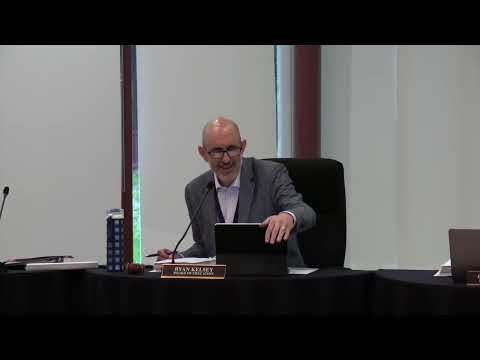
The Chappaqua Central School District Board of Education approved proposed amendments to the superintendent's contract as part of the consent agenda on June 17, despite an objection from a board member who proposed tabling the item until the incoming board was seated.
"I do not agree with the contract extension or the audit added compensation through longevity pay, but the most concerning amendment is the complete removal of the termination for convenience clause," a board member said in a public motion to remove the item from the consent agenda. "Eliminating it completely will also significantly increase the district's legal and financial risk." The speaker asked that the board table the item until the two newly elected board members take office in two weeks.
The board discussed procedure and then voted on the item as presented; the motion to table did not receive a second and the consent-item vote proceeded. The board president announced, after the vote, that the provision passes. No roll-call tally was given on the record during the meeting.
The objection centered on governance and fiscal risk: the speaker said the removal of the termination-for-convenience clause would limit the authority of future boards and potentially increase liability. The speaker urged deferring the contract change so newly elected trustees could weigh in.
Board procedure notes: the contract amendment was presented on the consent agenda (item 5.19). A member requested it be pulled; the member then moved to table, but the motion to table was not seconded. The board then voted on the consent agenda item and the item passed.
The public record at the meeting did not include the final contract text in full on the floor, nor did the board provide a numeric vote tally in the audio transcript. Board members who raised governance questions may follow up with the clerk or request a formal reading of the contract language at a future meeting.