Get Full Government Meeting Transcripts, Videos, & Alerts Forever!
Get email alerts on the Municipal Budget topic
No spam. Unsubscribe anytime.
Mayor Bettencourt presents $208 million FY26 budget, warns of insurance, state-aid pressures
Summary
Mayor Bettencourt presented a proposed $208,036,797 fiscal 2026 operating budget for Peabody, saying the plan is up $10.7 million from FY2025 and is driven by a 14.19% increase in health insurance, reduced net state aid and the exhaustion of one‑time ARPA funds.
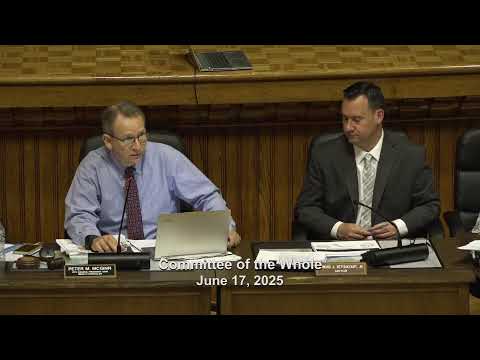
Mayor Bettencourt presented a proposed $208,036,797 operating budget for fiscal year 2026 at the finance committee meeting on June 17, saying the plan represents a $10,684,601, or about 10.7%, increase from FY2025 and would require a higher tax levy if revenues do not improve.
The mayor said the increase “reflects a perfect storm of circumstances that is simply beyond our control,” listing dwindling net state aid, the end of ARPA one‑time funds and a double‑digit jump in health insurance costs. “This year’s health insurance increase is 14.19%,” he said, calling that “unprecedented and unsustainable.”
Why it matters: the budget proposal directs most new spending to education and public safety and relies on a combination of higher local receipts, limited reserves and a roughly $10 million increase in the tax levy. If adopted, the administration projects a roughly $450–$500 average residential tax bill increase under the revenue and valuation assumptions used in the presentation.
Key figures and drivers - Total proposed FY26 operating budget: $208,036,797 (up $10,684,601 from FY25). - Education increase in the mayor’s proposal: about $5.4 million. - City‑side increase: about $5.3 million, largely nondiscretionary (health insurance, retirement, liability insurance, Essex Tech assessment, debt service). - Health insurance increase cited by the mayor: 14.19%, producing a roughly $4.1 million increase in the city budget after collective‑bargaining changes reduced a higher estimate. - Essex North Shore (Essex Tech) assessment increase: about 15.17% (described as “just under $1,000,000” in the presentation). - Debt service increase: approximately $1.5 million year over year; projected further increases tied to previously‑approved capital projects and planned new bonds.
Financing and tax impact Finance Director Mike Gingras presented charts showing revenue assumptions: modest increases in local receipts (hotel/meals, auto excise, permit fees), use of free cash (the administration proposed using up to $2.0 million as a placeholder), and a $10 million increase in the levy in the scenario presented. Gingras’ slides projected an average single‑family tax bill increase in a midrange scenario of about $497 (using the administration’s assumed 4% residential valuation growth and the levy changes). Gingras stressed those numbers are preliminary and will be revisited through tax classification in December.
Council questions and concerns Councilors pressed on several long‑range risks raised during the presentation: declining excess levy capacity (the mayor and finance staff said Peabody may exhaust excess levy capacity within a few years at current rates of use), growing debt service from planned projects (public safety building, school projects) and whether the city’s reserves and free cash use were prudent. Councilors asked for additional debt‑service projections; Gingras said he had provided an overview schedule and that a detailed multi‑year projection was included with the mayor’s letter and attachments.
The mayor framed two choices for balancing this and future budgets: (1) build reserves and accept higher recurring revenue (tax increases) or (2) draw down reserves and defer some recurring spending—each with tradeoffs. He said he selected a $2 million free‑cash use in his initial proposal to blunt immediate tax pressure but acknowledged that the council and administration must revisit reserve strategy going forward.
Direct quotes and attributions - “I am pleased to present for your consideration the fiscal year 2026 operating budget for the City of Peabody,” Mayor Bettencourt said in opening remarks. - “This year’s health insurance increase is 14.19%. It is unprecedented and unsustainable,” Mayor Bettencourt said. - Finance Director Mike Gingras summarized funding sources and noted the numbers will be refined through the summer and fall and at tax classification.
What’s next The finance committee continued line‑by‑line work on education at this meeting and deferred detailed city‑side department reviews to the June 24 meeting; department heads for the city side are scheduled to attend the later session. Gingras and the mayor told councilors they will continue to update revenue and debt projections over the summer and to provide the council with the debt‑service schedule and other attachments that accompanied the mayor’s letter.
Ending The administration presented a budget that attempts to limit new discretionary investments while absorbing large nondiscretionary cost increases; councilors and the public repeatedly returned to those nondiscretionary items—especially health insurance, Essex Tech assessments and debt service—when weighing the town’s fiscal outlook.