Get Full Government Meeting Transcripts, Videos, & Alerts Forever!
Get email alerts on the Classroom Displays topic
No spam. Unsubscribe anytime.
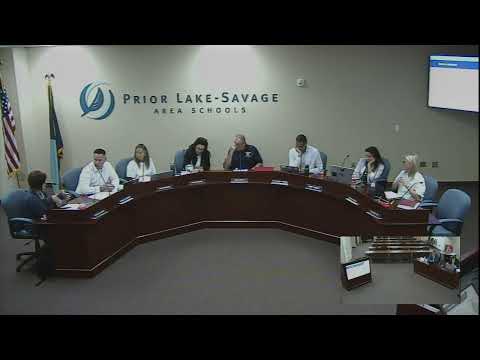
Prior Lake-Savage board debates new classroom displays policy amid teacher ‘sign police’ concerns
Summary
Directors reviewed proposed updates to policy 09/04 on materials displayed in classrooms — including guidance about “safe space” signs — and spent much of the study session airing procedural concerns about how the revision reached the policy committee.
The Prior Lake-Savage Area Schools Board of Directors discussed proposed revisions to policy 09/04 on classroom materials and displays during its July study session, with directors splitting over whether the changes would make the district act as “sign police.”
The policy update, which the district’s policy committee and staff revised and sent to legal review, aims to clarify how materials in classrooms should “enrich students’ learning experiences” and set a process for raising complaints about posted materials. Director Herman and policy committee members described multiple rounds of review, legal input and staff involvement before the draft reached the full board.
Board members said they were divided over the policy’s language and the procedures attached to it. Director France said, “I have 0 interest in being the sign police for our teachers,” and recounted a recent example where her daughter was concerned by a teacher’s “I am a safe space” sign. Director France pressed staff to explain why classroom displays were being regulated again after a policy review the prior year.
Other directors defended updating the policy. Director Bullion referenced training at the Minnesota School Boards Association (MSBA) conference on employee political speech and said the board has “oversight in the things that our employees say” in classrooms. Bullion recommended adding the word “all” so materials should “enrich all students’ learning experiences,” arguing the change promotes inclusivity.
Several board members questioned the process that returned the item to the policy committee, noting the district follows a three-year policy review cycle and that 09/04 had been reviewed and approved the prior June. Chair White said she will “commit to trying to figure out what happened and how we should proceed,” and that a future agenda item could be needed to resolve the procedural questions.
No formal action was taken during the study session. Directors treated the review as a first reading and asked staff and chair White to clarify the policy’s origin, the committee’s decisions and where implementation details should live — in board policy or in accompanying district guidelines.
Directors suggested edits and clarifications: keep clear procedures for how a concern is raised about classroom materials, avoid placing enforcement responsibilities on individual board members, and specify whether the policy applies only to district-approved instructional materials or to any displayed item. The board did not vote on the draft and left potential next steps to the chair’s follow-up.
The discussion closes with the chair indicating she would report back on whether to bring the item to the July 14 meeting for further consideration.