Get Full Government Meeting Transcripts, Videos, & Alerts Forever!
Get email alerts on the Construction Procurement topic
No spam. Unsubscribe anytime.
Council presses city departments on missing specs, bid clarifications and compliance letters for Shoshone Field House work
Summary
Council members flagged missing details in Shoshone Field House bid packages that could create change orders, asked staff to tighten a 10% errors-and-omissions tolerance for future contracts, and requested that compliance letters and contractor documentation be circulated to council before meetings.
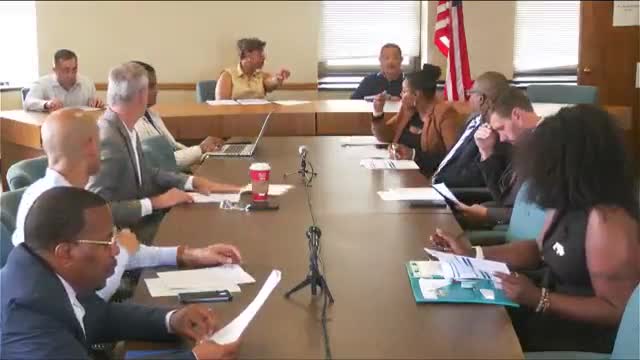
Council members at the Buffalo City Council meeting questioned gaps in the bid packages for Shoshone Field House and discussed steps to reduce future errors and last-minute surprises from contractors.
Members said two agenda items tied to the Shoshone Field House — items 19 and 20 on the council agenda — include work on the fire-protection sprinkler system and parts of the hanger/unistrut system that were not included in mechanical, plumbing or structural bid documents. Council members described that omission as a “gap in the detail” that could drive unanticipated costs.
Staff said they do not yet know whether the omitted items will push change orders beyond the 10% threshold that triggers additional review, and they will verify the totals and report back. Staff told the council they are developing a formulation for going forward that will mirror practices used with contractors who sometimes submit incomplete forms at bid time — specifically, putting architects/engineers (AEs) on notice that there will be a 10% errors-and-omissions tolerance and clarifying the city’s approach to handling omissions.
Separately, council members criticized the last-minute delivery of a compliance letter related to a Department of Housing (referred to in discussion as “D and H”) matter. A contractor handed a letter to council members during a meeting; committee members said they did not have the document and that the late delivery lengthened meetings and raised questions about whether the documentation represented full compliance. The council asked departments to routinely circulate compliance letters and related correspondence in advance so the council and the public have the full record before deliberations.
Council direction: staff were asked to verify whether the Field House omissions exceed the 10% threshold, to draft and circulate the proposed errors-and-omissions policy or language for AEs, and to provide compliance letters and related documentation to council staff in advance of hearings.
No formal vote was recorded; council members instructed departments to report back with verification and draft language.