Get Full Government Meeting Transcripts, Videos, & Alerts Forever!
Get email alerts on the Natural Resources Funding topic
No spam. Unsubscribe anytime.
Tennessee wildlife agency withdraws proposed broad fee increases after lawmakers press for hybrid funding alternatives
Summary
The Tennessee Wildlife Resources Agency withdrew a proposed rule that would have raised license and registration fees after extensive committee debate. Lawmakers and agency officials discussed a possible hybrid funding model combining fees and a share of sales tax; the agency said it would meet with chairs and the commission before refiling.
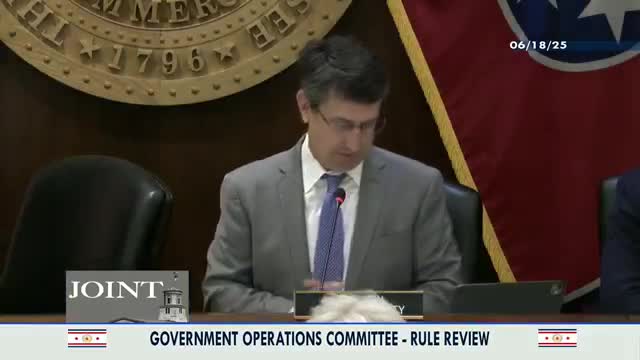
The Tennessee Fish and Wildlife Commission and the Tennessee Wildlife Resources Agency (TWRA) withdrew a proposed rule to raise many hunting, fishing and boat registration fees after a lengthy exchange with the joint Government Operations Committee on June 24.
Blair Beatty, legislative director for the Tennessee Wildlife Resources Agency, described multiple rule items: moving a $10 boater safety exam certificate fee from statute into rule to accommodate online testing; updating boat registration amounts to reflect a 22% increase tied to CPI since 2019; and a broader package that would adjust license and permit fees across many categories to account for a 32% rise in the consumer price index since 2015. For example, Beatty said a resident combo hunting and fishing annual license would increase from $32 to $44.
The agency said the broader package would generate about $12 million; Executive Director Jason Maxadon told lawmakers the agency faces a roughly $12 million shortfall attributable in part to statewide salary increases and the structure of agency funding. “What that will do is that will be $12,000,000,” Maxadon said, describing the potential deficit if fees were not increased.
Several lawmakers objected to the breadth and timing of the increases. Senator Kyle said an increase could reduce participation among fixed‑income residents and move the agency further from a sustainable funding model; Representative Fritz and Senator Sutherland pressed the agency to show cost justification for fees. Several members suggested a long‑term hybrid model that would combine user fees with a portion of state sales tax revenue, as used by other states, rather than recurring fee increases.
Small businesses and recreation stakeholders objected to out‑of‑state fee hikes. Drew Hayes, owner of Blue Bank Resort, said guests already complained about current nonresident fees and warned large increases could harm tourism and local small businesses.
After extended discussion, TWRA’s director told the committee the agency would withdraw the fee rule to work with lawmakers on alternatives. “I’ve asked our general counsel to withdraw the rule today,” Maxadon said. He said the commission will meet and the agency will follow up in writing with the committee on the withdrawal and a timeline for refiling if necessary.
Separate, smaller items from TWRA did move forward earlier in the meeting: the commission moved the $10 boater safety exam fee from statute to rule and a boat registration fee adjustment was given a positive recommendation in committee votes prior to the withdrawal of the broader fee package.
The agency said it will return to the committee with additional budget and funding analyses and discussions of potential hybrid models.