Get Full Government Meeting Transcripts, Videos, & Alerts Forever!
Get email alerts on the Historic Preservation Schoolhouse topic
No spam. Unsubscribe anytime.
Martin County leaders seek MOU to use restored Salerno one‑room schoolhouse for living‑history program
Summary
School district staff, the Martin County Black Heritage Initiative and county commissioners asked the school board to approve a forthcoming memorandum of understanding that would formalize use of the restored Salerno one‑room schoolhouse as a living‑history education site for fourth graders and other student groups.
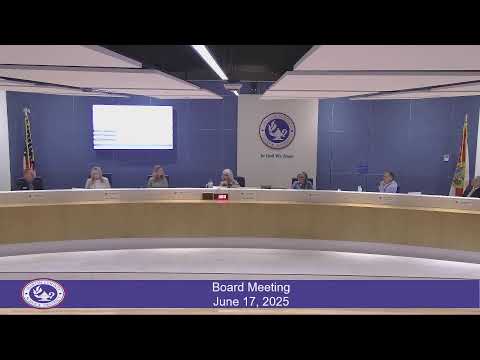
Martin County School Board members on June 17 heard a presentation asking the district to approve a memorandum of understanding that would formalize use of the restored Salerno one‑room schoolhouse for a living‑history education program.
The request, presented by Deputy Superintendent Tracy Miller and supporters from the Martin County Black Heritage Initiative, would let district staff coordinate with the nonprofit and county on a “living history” program that brings fourth‑grade students and other groups into the 25‑by‑30‑foot restored schoolhouse to experience a historic one‑room classroom.
The program’s backers said the restored Salerno schoolhouse, built in 1930 to serve African‑American students during segregation, is believed to be the only surviving one‑room schoolhouse on the Treasure Coast and that active use is the best way to preserve its history. “We’re gonna be able to bring the stories of this historic 25 by 30 foot landmark to life,” Deputy Superintendent Tracy Miller said during the presentation.
Sarah Hurd, a Martin County commissioner, urged the board to support “any shared use facilities agreements that we have so that we can once again utilize this building,” and she reminded the board the building had been destroyed by hurricanes and later restored with historic preservation in mind. Lloyd Jones of the Martin County Black Heritage Initiative described the proposed program as a way to convert the restored site into “an active social learning project for persons of all ages” and closed by urging board approval: “A rising tide lifts all boats.”
Board members asked procedural questions about when an agreement would come back for a formal vote. Miller said a memorandum of understanding would be brought to the board “very soon” for consideration and that the district, county and nonprofit groups have been working collaboratively on program details and site use. No formal board action or vote on the MOU occurred during the June 17 meeting.
Supporters said the living‑history model would adapt examples in Palm Beach County and would allow visits by public, private, charter and home‑school students. Lloyd Jones said outside reviewers praised the restored building’s “authentic setting” and recommended active programming to keep the site preserved and used for education.
If the board later approves the MOU, supporters said the district would schedule fourth‑grade field experiences and other visits so students can learn about local Black education history and community leaders who attended the school. Miller and other staff said they would bring the formal MOU and supporting documents to a future board meeting for a vote.