Get Full Government Meeting Transcripts, Videos, & Alerts Forever!
Get email alerts on the Affordable Housing topic
No spam. Unsubscribe anytime.
Chelsea ribbon-cutting opens 62 affordable homes at 25 Sixth Street
Summary
The Neighborhood Developers and partners marked the opening of a 62-unit affordable housing building in Chelsea, delivering 56 rental apartments and six affordable homeownership units near Bellingham Square transit.
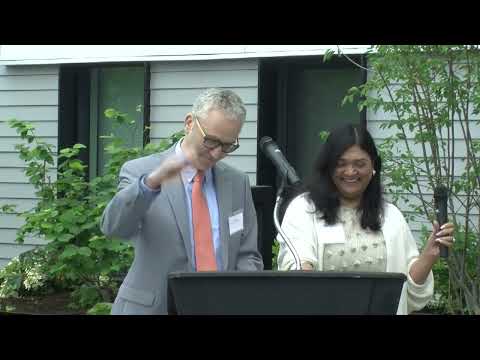
Officials, developers and residents gathered at 25 Sixth Street in Chelsea for a ribbon-cutting ceremony that marked the opening of a 62-unit affordable housing building developed by The Neighborhood Developers.
The building contains 56 affordable rental apartments and six affordable condominiums for first-time homebuyers, Rafael Harris, executive director of The Neighborhood Developers, said at the ceremony. Harris said the project was converted from a former industrial site and a pandemic-era food pantry run by La Colaborativa into permanent housing for local families.
The project was built to passive-house standards and is described by organizers as transit-oriented: it sits steps from the MBTA Silver Line Bellingham Square Station, multiple bus routes and the Chelsea commuter rail stop. Harris noted solar panels are planned for the roof later this summer and highlighted a roughly 4,000-square-foot communal outdoor area available to residents.
"For many years, this site was home to Bridal Brothers," Harris said. "During the early days of the pandemic, our partner, La Colaborativa, started a food pantry to provide nutritious and culturally familiar food to our community. ... For 1 and a half years, La Colaborativa used the site as a food pantry and provided additional services here."
City Manager Fidel Moltez called the project "a huge win for housing" in Chelsea and said it addresses a range of local housing challenges, including high rents, displacement and overcrowding. "These are exactly the opportunities we need for residents in Chelsea," Moltez said, noting the development's proximity to jobs and education in Bellingham Square.
Deputy Secretary Jennifer Mayotte said state and federal housing programs helped fund the project. "HLC and the Healey administration contributed the federal and state tax credits totaling nearly $2,000,000 and with over $5,200,000 in subsidy funding," she said.
Representatives of funding and partner organizations also spoke at the event. Sarah McKee McKeavy of CDAC explained that some units are funded and set aside through community-based housing and facilities consolidation programs to serve people with disabilities and those who require community-based services. Alex Pratt of the North Suburban Home Consortium described regional collaboration among neighboring municipalities to finance the project, and representatives from First Citizens Bank, MassHousing, MHIC and NeighborWorks America praised the development's design and funding structure.
Residents who moved into the building addressed the crowd. Maria Torres, who identified herself as a resident of Unit 417, said, "I am very happy. I love this place. I could call this a home." Madeline Inoa, who said she lives in Apartment 208, said the building made her feel "safe" and "tranquil" and thanked developers and partners for the opportunity.
Organizers listed multiple financing sources and partners involved in the project, including the LIFE Initiative (which provided a $2.5 million acquisition and predevelopment loan), First Citizens Bank (construction financing), MassHousing (permanent financing and other state funds), MHIC (equity investor), LISC (predevelopment financing), CDAC (subordinate debt) and NeighborWorks America. The developers also thanked their general contractor, architects and legal counsel for completing the conversion and construction work.
The formal speaking program concluded with the ceremonial ribbon cutting and an invitation for attendees to tour the building and its amenities.