Citizen Portal

Senate hearing spotlights DOE FY26 cuts, potential job losses at national labs

3867976 · June 19, 2025

Get AI-powered insights, summaries, and transcripts

Subscribe
AI-Generated Content: All content on this page was generated by AI to highlight key points from the meeting. For complete details and context, we recommend watching the full video. so we can fix them.

Summary

Secretary Wright defended the Department of Energy's fiscal year 2026 budget, including proposals that committee members say would cut funding for national labs and research programs and could cost thousands of jobs; lawmakers pressed DOE on the rationale for reductions and the department's plan to prioritize projects.

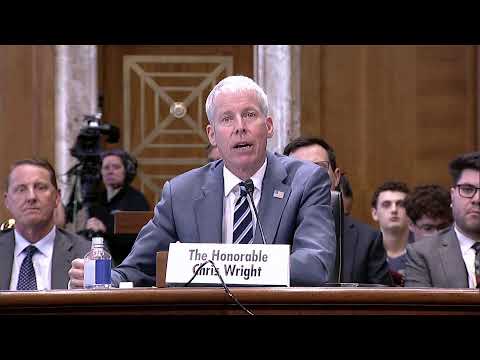
Secretary Wright, the secretary of energy, told the Senate Energy and Natural Resources Committee on June 18 that the administration's fiscal year 2026 budget will reallocate DOE funding toward what he called "affordable, reliable, and secure" energy priorities and tighter stewardship of taxpayer dollars.

The committee's ranking member, Senator Heinrich, warned that the proposal would sharply reduce research funding and harm the national laboratories. "This budget would cut funding for the labs by $2,750,000,000 or 11% compared to fiscal year 2024," Heinrich said, and added that the cut could mean "an estimated loss of more than 7,700 jobs once fully implemented." The senator called the proposed reductions and recent personnel actions at DOE a threat to U.S. scientific leadership.

Why it matters: National laboratories and DOE research programs underwrite long-term energy innovation and national security technology. Committee members from both parties pushed the secretary for details about how the budget would be allocated across offices and what the department would do to avoid damaging key programs.

Most important facts: Secretary Wright described the administration's priorities as supporting what he termed "American energy dominance" and said the FY26 request would reduce or reprioritize funding across several offices. He said the budget would, among other changes, reduce funding for the Office of Science and for ARPA‑E; senators cited figures discussed in the hearing — a 14% proposed cut to the Office of Science and a 57% proposed cut to ARPA‑E. Wright said he wants to focus DOE resources on technologies that deliver reliable, affordable energy and that he is "keen . . . to grow the budget for our national labs in those key areas of AI." He also defended a review of previously approved demonstration projects and said the department is assessing allocations on a lab-by-lab basis.

Committee concerns and context: Senator Heinrich and others expressed alarm that staff reductions, buyouts and proposed funding cuts could undercut research capacity. Heinrich also criticized DOE's responsiveness to congressional oversight requests and said he had received no responses to four letters he sent the department. Senator Murkowski and other members said they welcome more lab funding for AI, fusion and quantum computing; Murkowski said she is "keen . . . to grow the lab budget in those key areas." Several senators pressed Wright for commitments to work with their states on specific consequences of the budget proposal for local facilities.

What the secretary said: Wright repeatedly framed the budget as a return to what he described as DOE's core mission and said the department must be a better steward of taxpayer dollars. He told the committee: "We will invest DOE's resources in technologies and sources that support affordable, reliable, and secure energy, and provide a return on investment for the American taxpayers." He also said he is "not going to gut the technology and science" at the labs and that allocations will be decided on a lab-by-lab basis.

Details and numbers clarified in the hearing: Senators and the secretary discussed multiple numeric estimates in the hearing. Those figures include: a cited $2.75 billion reduction in lab funding compared with FY24 (attributed during the hearing to lab directors and raised by Senator Heinrich), an estimated 7,700 jobs potentially affected once the proposal is implemented (Senator Heinrich), and committee-cited percentage cuts of about 14% for the Office of Science and about 57% for ARPA‑E. Secretary Wright said budget allocations have not yet been apportioned to specific labs and that lab-level decisions will be made after review.

Looking ahead: Senators used the hearing to press Wright for written responses and modeling underlying the budget. The committee set deadlines for questions for the record and statements for the record at the hearing's close. The debate is expected to continue as appropriations and authorizing committees review the FY26 request.