Get Full Government Meeting Transcripts, Videos, & Alerts Forever!
Get email alerts on the Digital Government topic
No spam. Unsubscribe anytime.
Council approves iPad pilot for council members; questions on cost, policies remain
Summary
The council approved an electronic tablet (iPad) project for council members, with staff saying devices will come from the existing IS equipment budget and a warranty will be purchased; councilors raised questions about costs, ownership and loss/damage policy.
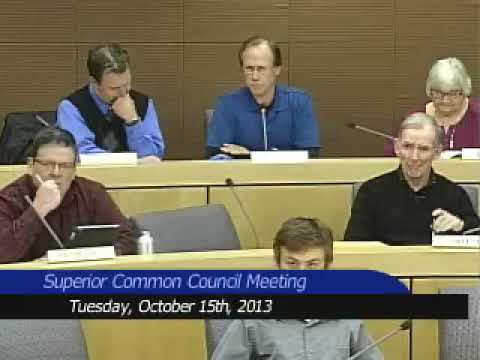
The Superior Common Council voted Oct. 15 to approve a pilot program supplying council members with electronic tablets (iPads) to receive meeting materials and reduce paper use.
Information‑Systems Manager Dan Shea told the council the iPads would be purchased from the IS equipment budget that currently funds laptops issued to councilors and would be replaced on a roughly four‑ to five‑year cycle. Shea said an estimated per‑unit cost for the iPad configuration the city planned to buy — iPad, case and optional keyboard — was about $7,800 for the bundle presented to the council (the figure discussed was a per‑unit package estimate across the planned set), and that the city planned to buy manufacturer warranties that should cover a limited number of accidental breaks.
Several councilors asked about total cost, county procurement comparisons, training and what happens if a device was lost, stolen or sold. Councilor McKenzie suggested a buy‑out option for councilors so devices could be sold back to the city when a member leaves; councilors discussed homeowner insurance and the city’s general property policies as potential backstops. Councilor Vincent and others said they expected the devices to deliver long‑term savings on printing and postage and praised planned training sessions with Douglas County Extension for November.
The council approved the tablet project by voice vote. No specific policy on personal use or a detailed insurance policy was adopted at the meeting; staff said they would develop or refine a usage and replacement policy as the program matures.