Get Full Government Meeting Transcripts, Videos, & Alerts Forever!
Get email alerts on the Bond Facility Study topic
No spam. Unsubscribe anytime.
Midway ISD facility committee recommends $175.3 million bond to address growth, aging systems and safety
Summary
A 49-member facility study committee recommended the board call a $175.3 million bond election for Nov. 4, 2025, to fund a new Spiegleville Elementary, additions at Spring Valley and widespread infrastructure, technology and safety upgrades while keeping the tax rate unchanged, the committee told the board at its June meeting.
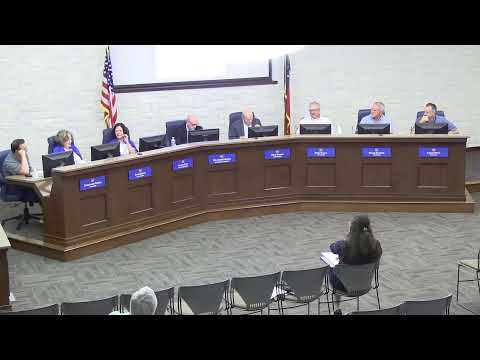
Facility study committee chair Jordan Barry told the Midway ISD Board of Trustees on June 17 that the committee recommends the board call a bond election for approximately $175,300,000 on the Nov. 4, 2025 ballot with no tax rate increase tied to the package.
The proposal is the product of a six‑month committee process that included 49 members representing all grade levels and feeder patterns. “After detailed deliberations, we also made adjustments to the scope and cost of some projects to balance expenses for a well‑rounded package that addresses infrastructure and student experience,” Barry said.
Why it matters: Committee members said the bond would buy capacity and stability at a time Midway faces continued residential growth and aging facilities. Presenters said the package is intended to prevent reactive spending from eroding the district’s operating budget and to protect classroom programs by moving major capital costs into I&S (interest and sinking) rather than the M&O (maintenance and operations) budget.
What the committee recommended and why - Size and timing: The committee recommended a bond of about $175.3 million to appear on the Nov. 4, 2025 ballot. If approved, design and construction would take two to three years, with the earliest campus opening timed for fall 2028. - Enrollment and capacity moves: The recommendation includes a new replacement campus for Spiegleville Elementary sized to open with 500 student seats and a 750‑student core that could be expanded later; a 250‑student addition at Spring Valley Elementary; and utilization improvements or capacity work at South Bosque, Woodway, Hewitt, Castleman Creek and Midway High School. - Deferred maintenance and infrastructure: The package prioritizes large capital repairs—HVAC, roofing, plumbing and other end‑of‑life systems—across campuses to reduce the frequency of emergency repairs the district currently pays from operating funds. - Technology and safety: Committee presenters said IT upgrades, data‑center resiliency, network improvements, classroom technology and campus security (locks, cameras, visitor screening and lighting) were unanimous priorities. “IT and security. Those were the top ones,” a committee member said; according to presenters, those items received full committee support. - Student experience and program spaces: The bond would fund performing arts upgrades (elementary stages, high‑school theater, River Valley Middle stage, PAC renovations), fine‑arts equipment and selected athletic improvements such as locker rooms, gym repairs and lighting. - Transportation and operations: The package includes new buses and equipment to support district operations.
Committee process and community input Committee members described a multi‑meeting process that prioritized projects by impact on students, urgency of need, cost and feasibility. Ahmad Washington, a committee member, said the work was “heart driven” and that the group weighed every project through the lens of whether it would serve the whole district, not a single campus. Presenters said the committee achieved a 96% consensus on the recommended package and that all meeting materials and a longer list of projects considered (~$300 million worth) are posted online for public review.
Board discussion and next steps Board members praised the committee’s transparency and recommended further community outreach. Trustees noted the package is intended to protect M&O funds from large unplanned capital costs—board members pointed to recent transformer, water‑main and HVAC failures the district has had to address from operating dollars.
No board action to call the election was taken at the June 17 presentation; trustees were told it is an initial presentation and that the board will have additional workshops and a special called meeting this summer before any possible formal action on the bond. The committee recommended limiting the bond to a 0 tax‑rate increase; presenters said the ballot will include the required language about a property tax increase even though the district does not intend to raise the rate to pay the bond.
Quotes from presenters (selected) Jordan Barry, facility study committee chair and chief credit officer at American Bank: “It is the facility study committee’s recommendation that the school board consider calling a bond election for approximately $175,300,000 to be on the 11/04/2025 ballot with a 0 tax rate increase.”
Ahmad Washington, facility study committee member: “This was a collaborative decision‑making that took place. It was based on facts and not assumptions.”
What the district will need to do next If the board decides to place the bond on the ballot, district staff will need to finalize project scopes, complete design work, advance planning for attendance‑zone changes and staffing, and carry out a public information campaign. Presenters emphasized the need to continue long‑range planning for items the committee did not include, including multi‑year capital improvements and future secondary‑school needs.
Ending note Committee members said the package attempts to balance growth, equity and deferred maintenance. The board did not vote on the recommendation at the June 17 meeting; trustees were scheduled to revisit the proposal at upcoming summer meetings before any decision to call an election.