Get Full Government Meeting Transcripts, Videos, & Alerts Forever!
Get email alerts on the Vital Records topic
No spam. Unsubscribe anytime.
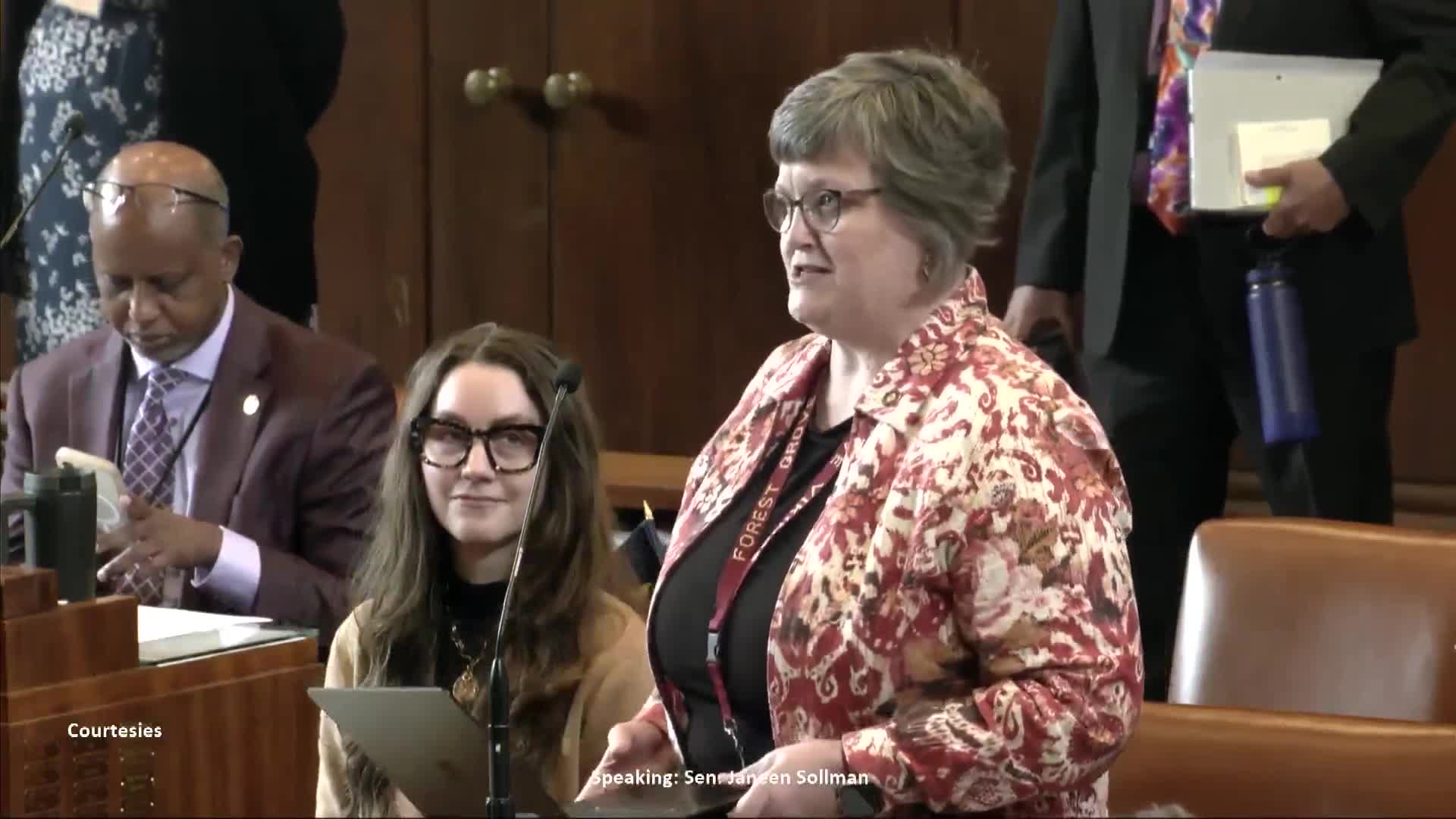
Senate advances bill to require electronic filing of most death certificates; some providers sought more time
Summary
The Senate adopted a conference committee report on House Bill 31‑27 A to require medical certifiers to file electronic death certificates through Oregon’s OVERS system, but some senators said a faster implementation date could burden providers who lack system integration and support.
The Oregon Senate on June 18 adopted the conference committee report and repassed House Bill 31‑27 A, which requires medical certifiers — physicians, nurse practitioners and physician assistants — to use the Oregon Vital Events Registration System (OVERS) to file electronic death certificates.
Senator Drahd, carrying the measure, described the change as improving timeliness for families awaiting death certificates and urged concurrence with the conference report. "It makes 1 heck of a difference to those people that are waiting for a death certificate, and I urge an I vote," Drahd said on the floor.
Senator Reynolds voiced process concerns and said the implementation date in the conference report moves the effective date forward from a compromise timeline favored by some medical providers. "Presently, 85 percent of death certificates are filed electronically, and 85 percent of medical certifiers are registered with the system," Reynolds said. "That last 15% is in part because the system's very clunky... The fix for all of that would be enormous and costly... I will respectfully vote no on this for process reasons."
Reynolds noted that a work group formed to improve access to death certificates did not include medical certifiers and that the bill provides no additional state staff time to support increased enrollment and training. Sponsors said the conference committee moved the implementation date up to January 2026 from a later compromise date to expedite access for mourning families.
The Senate recorded passage of the conference committee report and repassage of House Bill 31‑27 A; the floor record shows the conference committee compromise was not the later date requested by some providers and advocacy testimony. Senators urged colleagues to consider provider burdens while balancing the benefits of more timely electronic filing.
Why it matters: Requiring electronic filing of most death certificates aims to speed issuance of official documents for families and for vital‑statistics reporting. Medical providers and some committees warned that system integration, training and limited IT support could make a faster implementation date burdensome for the minority of certifiers not yet registered.
What happens next: With the Senate's concurrence, the measure advances in the legislative process. Implementation and training requirements, as well as agency capacity to support onboarding to OVERS, will determine how quickly the remaining medical certifiers comply.