Get Full Government Meeting Transcripts, Videos, & Alerts Forever!
Get email alerts on the Housing Middle topic
No spam. Unsubscribe anytime.
House passes bill to expand and clarify middle-housing rules, with local control concerns voiced
Summary
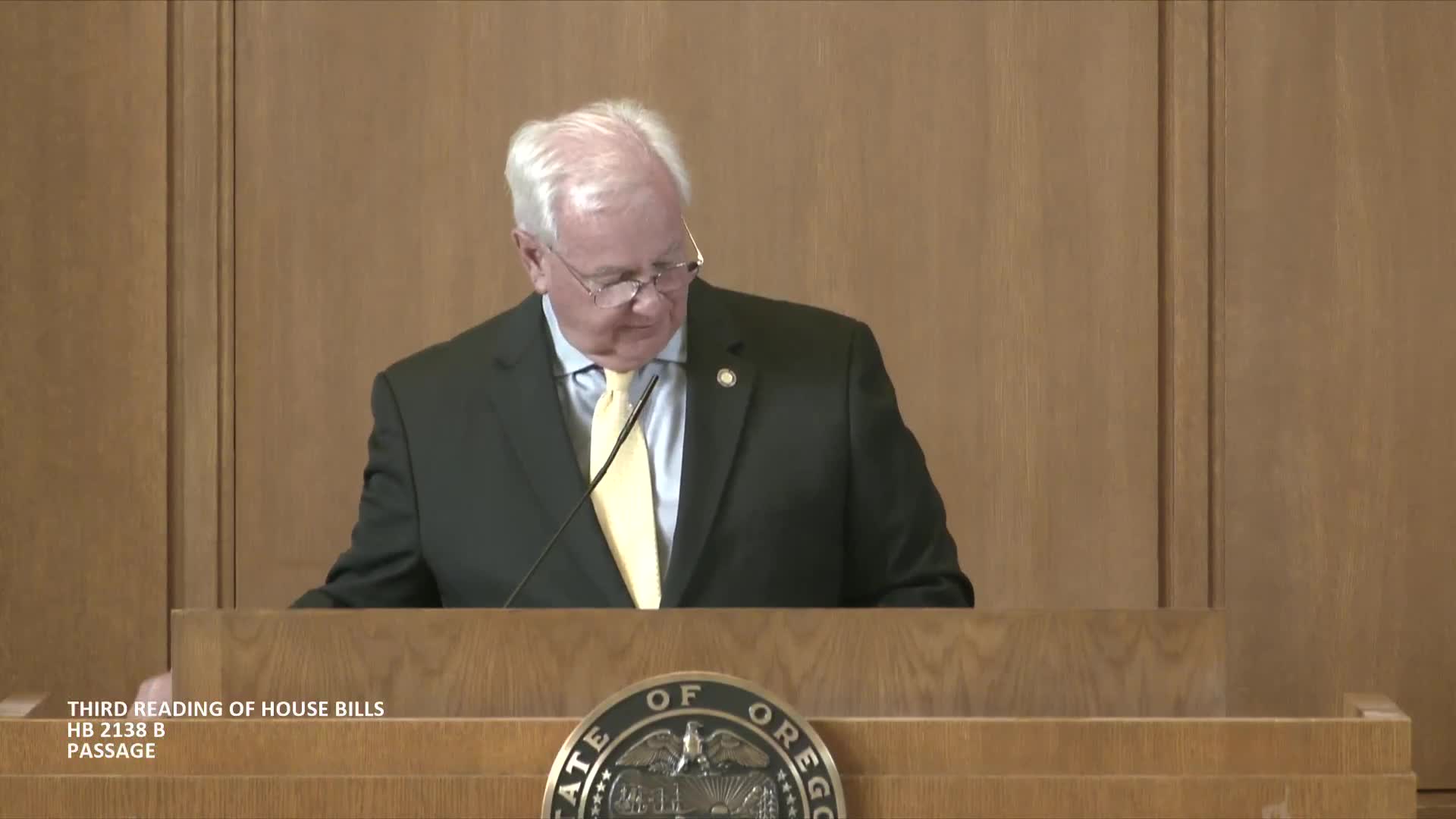
The House passed House Bill 21 38 on June 18, 2025, extending middle-housing rules to clarify traffic-study thresholds, bonus-density incentives, applicable urban unincorporated lands and new funding for DLCD technical assistance.
The Oregon House passed House Bill 21 38 on June 18, 2025, expanding and clarifying middle-housing statutory provisions intended to accelerate production of duplexes, triplexes, quadplexes, cottage clusters and similar housing types.
Representative Marsh, the bill’s floor sponsor, summarized key elements: projects under 12 units will not automatically trigger a traffic impact study though they may be required to address frontage improvements and systems development charges; bonus density will be available for projects that include an affordable home-ownership opportunity or accessible unit; urban unincorporated land that meets residential zoning and service criteria may be eligible for middle housing; and the bill clarified parking rules for single-room occupancy facilities and revised notice and appeal processes for land divisions and middle-housing developments. Marsh said the bill includes appropriations to the Department of Land Conservation and Development (DLCD): $2,400,000 general fund to support three permanent planner positions and alignment work, and $1,500,000 general fund for technical-assistance grants to local governments.
Opponents on the floor, including Representative Draisen, warned the measure "runs over local communities," argued it reduces local voice and engagement and criticized retroactive prohibitions on private recorded restrictions (covenants). Draisen urged caution, saying the law risks causing different towns to lose distinct character by imposing statewide uniformity. Marsh responded with examples of incremental middle-housing growth in Portland neighborhoods and described how accessory units, cottages and garage apartments had provided housing for a range of residents in her district.
The bill’s sponsor said data show rising middle housing production and lower sales prices for those units compared with new single detached homes, and that the measure is intended to reduce barriers and encourage more diverse housing supply. The clerk recorded House Bill 21 38 as passed on the House floor.