Get Full Government Meeting Transcripts, Videos, & Alerts Forever!
Get email alerts on the Bottle Bill topic
No spam. Unsubscribe anytime.
Advocates, municipal leaders and retailers renew push to modernize Massachusetts bottle bill
Summary
Supporters including municipal officials, environmental groups and some retailers urged the Joint Committee on Telecommunications, Utilities and Energy to expand the state's bottle deposit law, raise the deposit to 10 cents and reinstate a Clean Environment Fund; opponents said curbside systems and cost impacts must be considered.
A broad coalition of municipal officials, environmental advocates and some retailers urged the Joint Committee on Telecommunications, Utilities and Energy to modernize Massachusetts's bottle deposit law by expanding covered containers, raising the deposit and restoring an environmental fund to help cities and towns.
Supporters told the committee that the current 5-cent deposit has not been updated since the law was enacted in 1982 and that redemption rates have fallen in recent years, increasing litter and municipal disposal costs. "I have two words," said Janet Dominitz, director of MassPIRG; "deposits work." She and other witnesses cited studies and local counts showing a large rise in beverage containers not covered under the current statute.
Supporters said the bills before the committee (including House and Senate filings referred to during testimony such as H.3464 and other companion measures) would extend deposits to containers not now included in the 1982 law (for example, water, sports drinks and small alcohol "nips"), raise the deposit to 10 cents, increase handling fees for retailers and authorize programs such as convenient bag-drop accounts and universal return at retail to increase access to redemption.
Advocates and municipal representatives described direct fiscal impacts on towns. "Cities and towns spend money on garbage collection, garbage disposal, tipping fees, litter pickup," said Janet Dominitz. Witnesses and submitted figures during testimony estimated municipal savings in the range of $25 million to $36 million annually if more containers were diverted from municipal trash to a deposit return system. Several speakers said Massachusetts's redemption rate has fallen from the roughly 50'plus percent level reported in earlier decades to the mid-30s today; differing witnesses gave recent estimates around 35% to 37% for the percent of containers going through the deposit system.
Representatives of municipal governments and the Mass Municipal Association (MMA) told the committee rising disposal and recycling processing costs are straining local budgets and that an expanded bottle bill, coupled with a restored Clean Environment Fund, would be a net benefit to cities and towns. "By expanding the number of eligible containers and by increasing the deposit amount to 10 cents, we'd be able to provide cleaner roads, parks, and create savings to city and town budgets," Adam Chaplin of the MMA said.
Retail and industry witnesses gave more mixed testimony. Rob Melian, representing independent package stores, said many locally owned retailers support an expanded bottle bill but urged raising the handling fee retailers receive for accepting returns, which has not been adjusted in years. The Massachusetts Beverage Association, represented by Steve Bockzanski, opposed the proposed expansion as drafted and argued that many residents already have curbside or transfer-station recycling access; the association urged investment in improved curbside systems or an alternative producer-funded approach (extended producer responsibility) to support infrastructure improvements.
Opponents also noted the 2014 statewide ballot question on bottle deposit expansion failed by a wide margin and said convenience is critical to consumer participation. Supporters countered that the political and market context has changed, that the deposit level no longer provides sufficient incentive, and that modernizing the system would increase clean recycling and reduce contamination in municipal streams.
The committee heard multiple specific provisions supporters asked for: raising the deposit to 10 cents, expanding covered containers to include bottled water, sports drinks and small alcohol bottles, increasing handling fees to keep redemption centers solvent, exempting very small retailers from the obligation to accept returns (the bill text discussed a threshold such as 2,000 square feet), and reinstating a Clean Environment Fund to direct unclaimed deposits and other program revenues to recycling services and municipal needs.
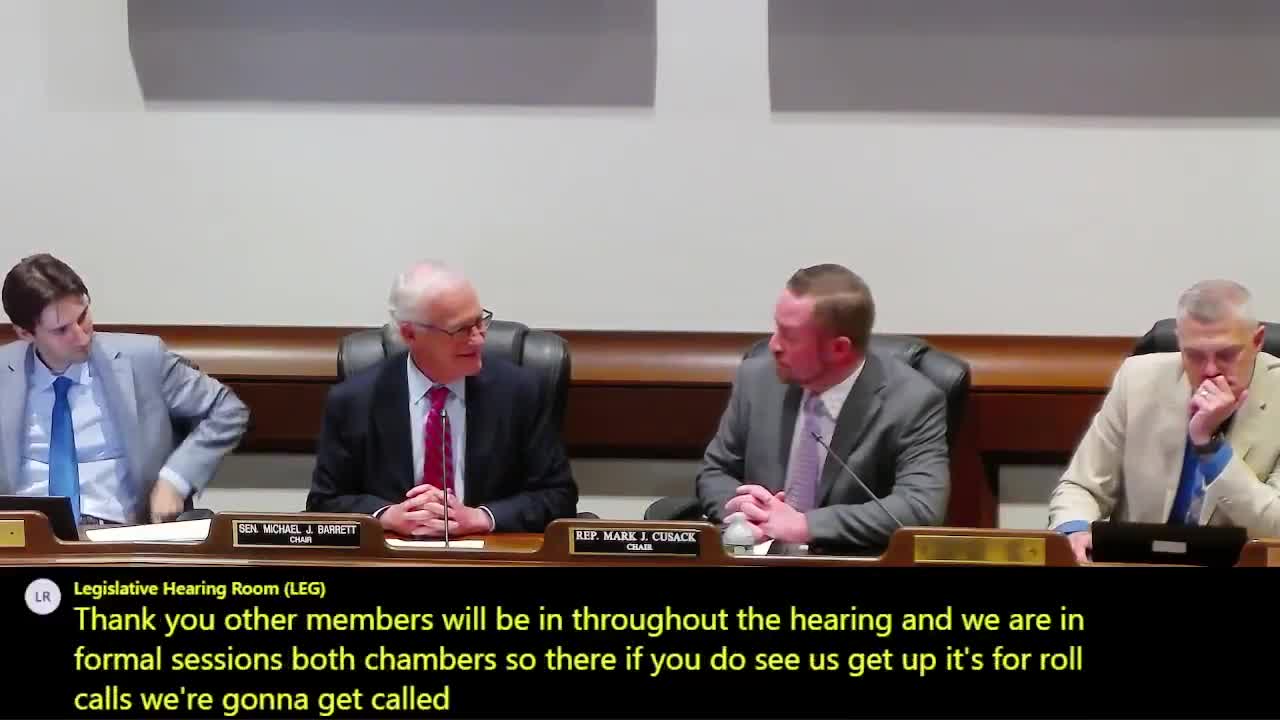
The hearing produced repeated requests from committee chairs that witnesses who agreed with earlier testimony indicate alignment rather than repeat long statements, because both legislative chambers were in session and time was limited.
Supporters asked the committee to report the modernization bills favorably; opponents urged caution, additional study or consideration of alternative approaches such as extended producer responsibility and improved curbside infrastructure.
The committee did not take formal votes during the testimony session. Written testimony and additional materials were promised by several witnesses and organizations.