Get Full Government Meeting Transcripts, Videos, & Alerts Forever!
Get email alerts on the Medicare For All Massachusetts topic
No spam. Unsubscribe anytime.
Broad public testimony urges Massachusetts to adopt state Medicare-for-all trust
Summary
Dozens of advocates, health professionals and municipal leaders testified in favor of H1405/S860, saying single-payer would cut administrative waste, stabilize hospitals and relieve municipal and family budgets; speakers urged the Joint Committee on Healthcare Financing to report the bills favorably.
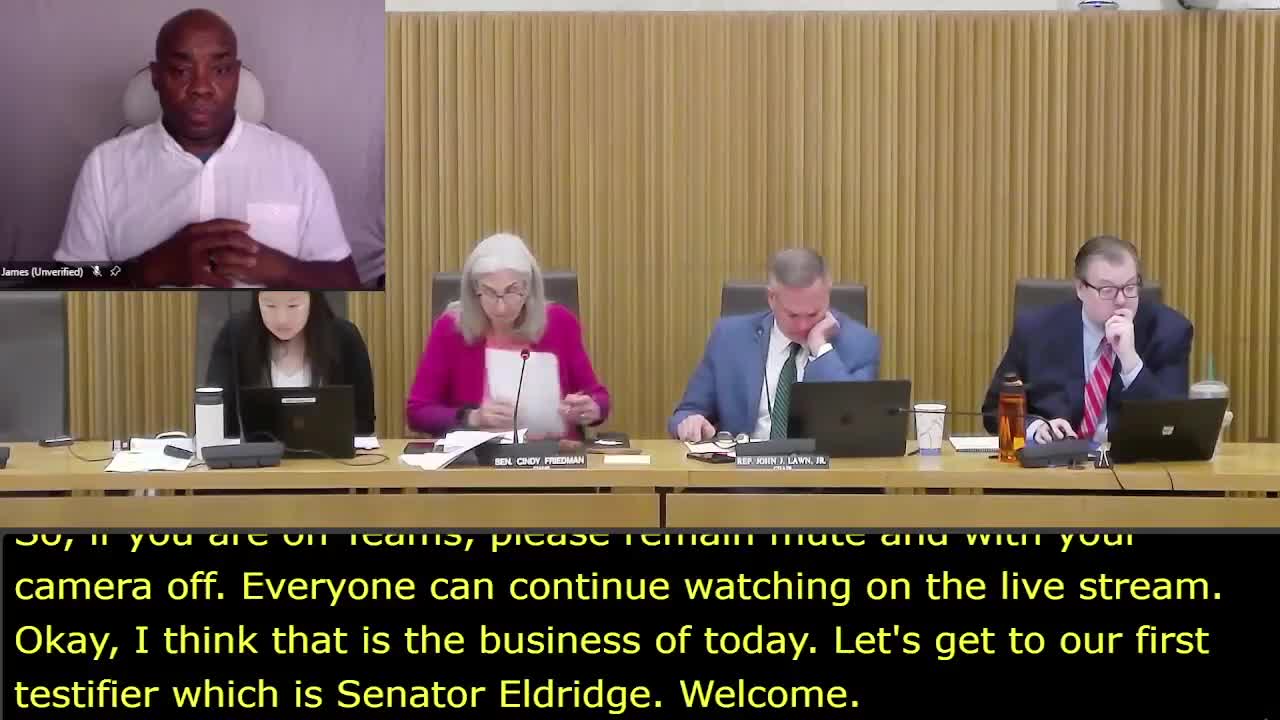
Dozens of health workers, municipal officials, patient advocates and clinicians told the Joint Committee on Healthcare Financing that Massachusetts should adopt H1405/S860, legislation to establish a Massachusetts health care trust and a single-payer Medicare-for-all system.
Supporters said the state’s current mix of private insurance, employer plans and public programs produces high administrative costs, creates underinsurance and contributes to hospital closures across the Commonwealth. "Medicare for all single payer is the most important anti-poverty legislation we can pass," said Marge Cohen, a physician and member of Physicians for a National Health Program, urging the committee to move the bills forward.
Advocates pointed to multiple effects they said would follow from the trust: negotiated drug and procedure pricing, elimination of premiums and cost-sharing, a stable public financing stream for hospitals and expanded coverage to dental, vision, long-term care and behavioral health. "This trust would finance medically necessary care including but not limited to dental, vision, prescription drugs, long-term care, medical devices, mental or behavioral health, physical therapy, and rehabilitative care," said Christopher Spears of Our Revolution Massachusetts.
Speakers cited an economic analysis presented to the committee that estimated large savings from reducing administrative complexity and private insurer profit margins; testimony referenced Professor Gerald Friedman’s analysis showing potential multi‑billion dollar reductions in statewide health spending. Municipal officials and business representatives warned rising insurance rates and GIC pressures were squeezing town budgets and small employers. David Cornwicks, chair of the Wellesley retirement board, urged support for a separate municipal option (H1399) but said the state-level trust would relieve pressure on local budgets.
Clinicians described how administrative burdens and insurer denials consume clinician time and disrupt continuity of care; hospice and hospice-trained nurses told the committee that denials and delays cause suffering at life’s end. "This bureaucratic waste puts a strain on the provider attempting to give comfort and dignity to their patient and an unacceptable burden on the patient," said Danielle Burke, a hospice nurse.
Several witnesses tied recent hospital closures and service reductions — including Stewart/Steward‑owned facilities discussed in testimony — to financial pressures under the current system and urged public ownership or trust authority powers to stabilize facilities. "The implementation of the Massachusetts Healthcare Trust would help avoid the disruption caused by the loss of our medical centers and guarantee every resident of the Commonwealth access to high quality care," said Our Revolution testimony referencing recent closures.
Not all details of design and transition were settled in testimony; multiple speakers urged the committee to advance the bills so the legislature can debate financing, implementation timelines and workforce implications in detail. Supporters repeatedly asked the committee to report H1405 and S860 favorably out of committee so the bills can proceed to fuller legislative consideration.
The hearing record for H1405/S860 includes sustained public testimony in support and repeated calls for the committee to advance the bills; the committee did not take a vote during the hearing. The chairs accepted written testimony and encouraged additional submissions as the committee considers next steps.