Get Full Government Meeting Transcripts, Videos, & Alerts Forever!
Get email alerts on the Feral Hogs Pest Control topic
No spam. Unsubscribe anytime.
County expands USDA APHIS contract after 142 feral hogs removed from county property
Summary
Jackson County approved a $7,256.14 increase to its USDA APHIS cooperative service agreement for feral swine removal, bringing the contract total to $21,768.45; county and APHIS staff reported 142 pigs removed to date and explained permissions required for work on private property.
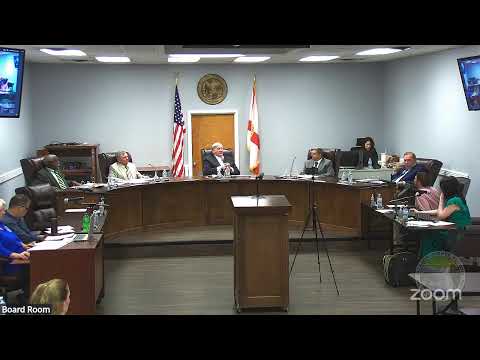
Jackson County commissioners approved revision No. 3 to the county's cooperative agreement with USDA APHIS to fund continued trapping of feral swine and beavers after staff reported 142 pigs removed from county property to date.
Staff said the revision increases the contract by $7,256.14, bringing the total agreement to $21,768.45. An APHIS representative, introduced by staff as Richard Hannah, told the board the program has been active since late December: the first traps were set Dec. 17 and the first pigs were caught Dec. 23; the latest operations removed an additional 42 hogs in one morning, bringing the total to about 140 (staff later said 142).
APhIS staff described constant monitoring of hog traps using cameras and livestream systems; beaver work is performed on a request basis because beaver incidents are more distributed and require targeted responses. County staff explained that private-property work requires a signed permission form from the landowner; if the county initiates the complaint, the county covers the cost even if the work occurs on private land.
Commissioners asked whether the county had to use APHIS exclusively; staff said private vendors exist but prior private quotes had been significantly higher than the APHIS cost, and APHIS has provided cost-effective service so far. The board approved the contract revision and authorized the chairman to sign.
Ending: Staff noted ongoing monitoring is needed because feral hog populations can fluctuate; the county will continue to coordinate with APHIS on trap locations and permissions, and to monitor costs and program effectiveness.