
Developers present multi‑phase plan to redevelop Provo Town Center; residents raise traffic, displacement and design concerns
Get AI-powered insights, summaries, and transcripts
Subscribe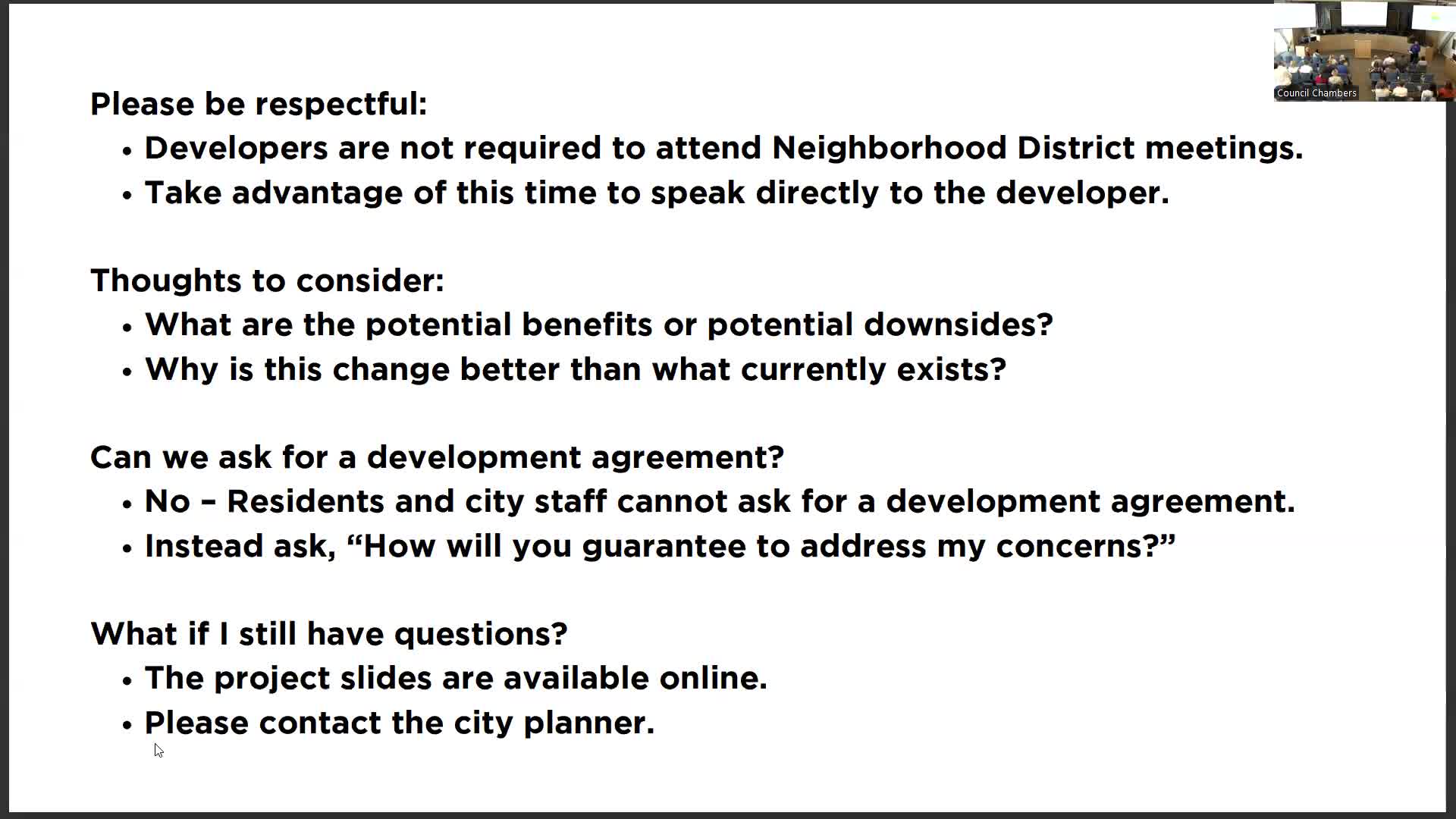
Summary
Brixton Capital and partners proposed a mixed‑use redevelopment of Provo Town Center that would add about 1,380 housing units, retain major anchors and shrink the mall; residents pressed developers on traffic studies, affordable housing, and the future of a nearby mobile home park.
Brixton Capital and partner firms presented a conceptual plan to redevelop Provo Town Center on Wednesday night, proposing roughly 80 for‑sale townhomes and about 1,300 apartments in a five‑phase project that developers estimated could take about eight years to build out.
The proposal, presented by Justin Long of Brixton Capital and Robert Schmidt of Pet Companies, would retain major anchors Target, JCPenney and Cinemark while reducing the mall’s enclosed retail from about one million square feet to roughly 600,000 square feet and adding outdoor public space, new retail pads and structured parking.
Developers said the plan aims to create a “live, work, play” environment centered on a new plaza and improved pedestrian, bicycle and transit access. “We’ve owned Provo Town Center since 02/2016,” Justin Long said during the presentation, and the partners described the Target opening as momentum to reimagine the underused site.
The redevelopment team described the housing and affordability components in specific terms: about 80 townhomes for sale and about 1,300 multifamily units built in five phases; developers told the meeting they expect approximately 9% of the new units to be affordable at about 80% of area median income (AMI) and roughly 3% at 60% AMI. The team also said it would pursue qualification for Utah’s Housing, Transit and Reinvestment Zone (HTRZ) program and that the city — not the developer — would be the HTRZ applicant.
Why it matters: the project would add large numbers of housing units near downtown Provo and transit, but residents raised questions about traffic, family‑friendly public space, and the effect on existing low‑cost housing — especially a nearby mobile home community that developers indicated would be replaced by the proposed for‑sale townhomes.
Discussion and resident concerns
Residents attending the District 5 neighborhood meeting pressed developers on design details and neighborhood impacts during a Q&A that lasted more than two hours. Jonathan Handy, a BYU student, urged more trees and seating in the outdoor plaza: “I would appreciate seeing more larger trees and more seating areas throughout,” he said. Several parents and long‑term downtown residents said the plan’s central roundabout and vehicle access were likely to discourage families from using outdoor spaces unless aggressive traffic‑calming and family amenities are added.
Developers said the design team is considering traffic‑calming techniques and “tabletops” and other design elements used elsewhere to reduce vehicle speeds at mixed‑use plazas, and they emphasized that a formal traffic study is required by the city and has not yet been completed. “We’re significantly reducing the amount of commercial space by about 400,000 square feet,” Long said, and he said the team expects that reduction to offset some traffic effects, but he added that the traffic study will provide the data needed for final designs.
Tenant impacts and the mobile home park
Attendees repeatedly asked what would happen to existing mall tenants and to the residents of the mobile home park shown on the site plan. The developers said they have a history of negotiating with tenants in earlier mall redevelopments and will approach impacted tenants on a case‑by‑case basis, but they said detailed relocation plans depend on approvals and final phasing decisions.
Robert Schmidt described the multifamily target demographic and the market rationale for the project, noting the company’s existing downtown projects and amenity package for residents. “We reimagine communities,” Schmidt said, adding that many residents in the firm’s properties are young professionals and families who value walkability and amenities.
On relocation protections for mobile home residents, developers said the proposal places the for‑sale townhomes on the parcel now used by a mobile home community. City staff at the meeting confirmed a state notice requirement that protects mobile home residents with a minimum notice period before a park closure; city staff told attendees a 12‑month notice period applies. Developers said the townhome phase is part of one of the early phases in their current concept, but they emphasized timing will depend on approvals and market conditions.
Public incentives and approvals
Developers said they intend to pursue HTRZ designation for the site; they told the meeting they believe the project would qualify and that the HTRZ program provides partial rebates of future property tax increments for a defined period (developers noted the precise rebate terms are set by statute and by the city when an application is structured). The team also said the city is the applicant for HTRZ incentives.
Timeline and next steps
The presenters said the project is in the department review stage — planning, building and public works are reviewing the conceptual application — and that the timeline is uncertain. If the city approves zoning and plan changes, developers estimated the first construction activities (infrastructure and site work) would begin roughly six to 12 months after approvals, with housing and retail phases following over several years.
District 5 chair Daniel Friend told attendees how to continue engaging: the developers’ zoning application and future planning documents will be posted by the city, and residents can comment at the planning commission and city council public hearings or via the city’s online feedback portal (opencityhall.provo.org), he said.
Ending
The developers left the meeting after the Q&A with dozens of written and verbal comments from residents. Planners in subsequent public hearings will need to weigh traffic modeling, affordable‑housing commitments, tenant relocation approaches and design changes prompted by neighborhood feedback before any approvals move to the Provo City Council.