Get Full Government Meeting Transcripts, Videos, & Alerts Forever!
Get email alerts on the Zoning Smoke Shops topic
No spam. Unsubscribe anytime.
Port St. Joe commission gives first reading to ordinance limiting smoke, CBD and similar shops
Summary
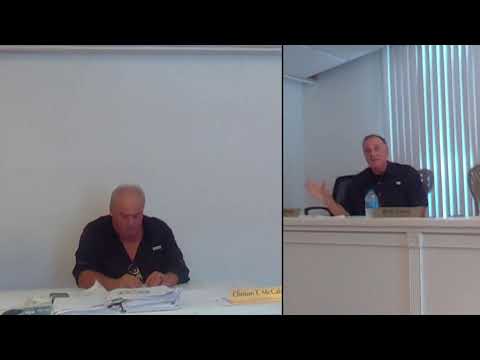
Port St. Joe commissioners on June 17 gave first reading to Ordinance 6‑21, a zoning change that would move smoke shops, smoking lounges, tobacco shops and CBD retailers into industrial zoning and bar such businesses from locating within 1,500 feet of a church or school.
Port St. Joe commissioners on June 17 gave first reading to Ordinance 6‑21, a zoning change that would move smoke shops, smoking lounges, tobacco shops and CBD retailers into industrial zoning and bar such businesses from locating within 1,500 feet of a church or school.
City Manager Jim Anderson introduced the ordinance, saying it would also remove a shop’s grandfathered status if it ceases operations for 30 days or more. Commissioners discussed whether the 30‑day trigger was too broad and asked the city attorney to draft clearer language that would exempt interruptions beyond a business owner’s control, such as declared natural disasters or utility failures.
Commissioner Carey moved to approve the ordinance on first reading with revisions to Section 4(d); Commissioner Langston seconded. The motion to advertise the ordinance for second reading passed unanimously.
During public comment, resident Mark David asked whether limiting the number of shops could create a local monopoly and confirmed the ordinance would be publicly advertised and come back for a second reading before adoption. Commissioners and staff clarified the measure targets businesses whose primary floor area devoted to such products exceeds the size threshold in the draft; convenience stores with small displays would not fall under the same restrictions.
The commission directed the city attorney to tighten the language on temporary cessation so that unavoidable closures (for example, during a declared state emergency or after major storm damage) would be explicitly considered before rescinding a previously lawful location. A second reading and final vote will come after those revisions are drafted and advertised.