Murray Council adopts City Center form‑based code after debate over building heights
Loading...
Summary
The Murray City Council on June 17 voted to replace the Murray City Center District code with a new City Center form‑based code and to rezone downtown parcels to five form districts, adopting small staff edits while rejecting a separate amendment to lower the new Transit Neighborhood height limit.
The Murray City Council on June 17 voted to replace the Murray City Center District (MCCD) code with a new City Center form‑based code (CCFBC) and to update the city zoning map to the new code for the properties previously in the MCCD, plus three adjacent parcels.
The council and planning staff said the code shifts the regulatory emphasis from uses to building form and public frontage. Planning Division staff presented the new code as five form districts — Civic Center, Boulevard (State Street), Neighborhood Corridor, Transit Neighborhood and Residential Transition — with rules for street types, building types, open space, signage and streetscape materials. Staff told the council the new rules aim to preserve State Street character while encouraging mixed‑use, walkable development and transit‑oriented projects near Murray Central Station.
Planning staff recommended three narrow edits before adoption: allow the Architectural Review Committee to approve alternatives to a required chamfered corner on corner buildings if a proposal meets the code’s intent and is architecturally prominent; increase the connector‑street sidewalk from 5 feet to a 7‑foot sidewalk with a 5‑foot park strip; and clarify parapet rules so the review committee may permit additional parapet height when consistent with the form district and to set the minimum parapet height to 42 inches to match building code. The council adopted the ordinance with those staff edits.
Council members and members of the public debated height and parcel‑boundary issues. One council member proposed an amendment to cap the Transit Neighborhood maximum height at five stories; that amendment failed in a roll‑call vote. Councilors and staff said the Transit Neighborhood maximum had already been reduced earlier in the drafting process (staff described it as a 4–8 story band) and that the code would be a living document to be revisited if implementation raised unforeseen problems.
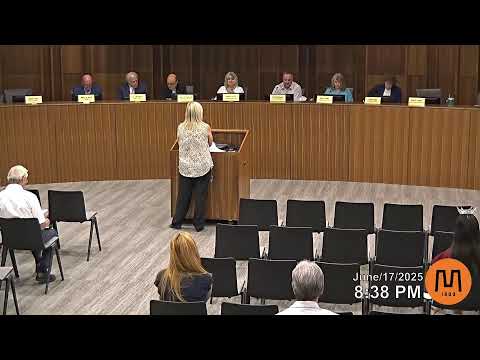
During the public hearing several property owners and nearby residents urged adjustments to the proposed district boundary. Owners of larger parcels on the east side of State Street asked that their contiguous parcels be placed in the same form district rather than split across two districts; other residents in properties that would change from Residential Transition into Neighborhood Corridor raised concerns about on‑street parking, future connector roads, grade drops and tree placement in narrow park strips. Planning staff and council members said the council could make boundary adjustments and that property owners may seek district changes during project review if redevelopment is proposed.
Planning staff and the Planning Commission said existing buildings and uses would remain lawful (nonconforming) and would not be forced to change unless a property owner substantially altered an exterior. Staff also noted the code includes exemptions and special review paths for historic or unique buildings.
The council’s repeal of chapter 17.17 (MCCD) and adoption of chapter 17.171 (CCFBC) passed on the council’s roll call and the subsequent rezoning ordinance that updates the official map to the form‑based districts also passed. Councilors indicated the city will monitor implementation and return with targeted changes if necessary.
Going forward, staff said the city will post the final adopted code, update application checklists and begin accepting development applications that must comply with the new form‑based standards. The Planning Division and the Architectural Review Committee will handle initial design reviews under the code.