Get Full Government Meeting Transcripts, Videos, & Alerts Forever!
Get email alerts on the Early Literacy topic
No spam. Unsubscribe anytime.
Board adopts Amira K–2 reading screener after 12‑teacher pilot; annual subscription about $15,000
Summary
The board approved the Amira reading screener (HMH) for kindergarten through second grade after a multi‑week teacher pilot and committee review; the annual license is about $15,000 and the district received approximately $21,000 in state funds to support implementation.
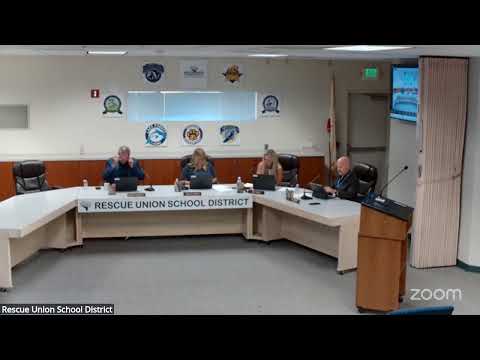
The Rescue Union School District Board of Trustees voted 3‑0 on June 17 to adopt the Amira (HMH) reading screener for kindergarten through second grade, after a pilot and presentation by staff.
Dustin Haley told the board the state legislature’s 2023 law directed the California State Board of Education to publish an approved list of K–2 universal reading screeners; the state list was released in December 2024. District staff convened a committee of 12 teachers across all five elementary sites, piloted three state‑approved instruments for several weeks on common students, and eliminated one option because it did not support kindergarten. After reviewing reliability, usability, and cost, the teacher committee recommended Amira.
Haley described the Amira screener as computer delivered and usable in small‑group administration; it takes roughly 15 minutes per small group and provides reports on students’ foundational reading skills. The per‑student listed price was $4.99; staff estimated an annual subscription of approximately $15,000 for the district and recommended purchasing headphones for students to reduce distractions during administration. Haley said the district had received about $21,000 from the state to support implementation costs.
Staff said the rollout will include professional development for teachers in August and local scheduling decisions (for example, staff suggested waiting until January for kindergarten to allow first half‑year instruction before screening so results are more informative). The board moved, seconded and approved the adoption by voice vote (3‑0).
District staff noted the goal of the screener is early identification of students’ foundational reading needs and to provide information to parents and teachers; staff emphasized the tool is not a medical diagnosis of dyslexia but an instructional screener to inform supports and interventions.