Get Full Government Meeting Transcripts, Videos, & Alerts Forever!
Get email alerts on the Student Health Telehealth topic
No spam. Unsubscribe anytime.
Board approves Hazel Health telehealth contract after data presentation on student mental and physical visits
Summary
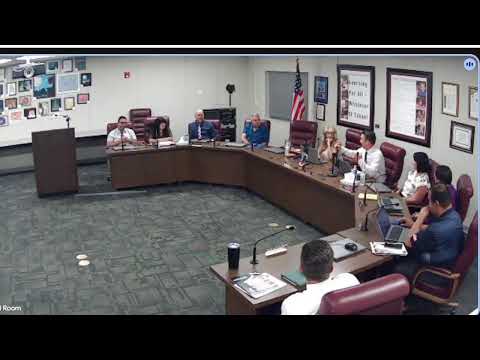
After a presentation summarizing 2024–25 telehealth activity in Snowline, the board voted June 17 to approve Hazel Health’s services agreement for the 2025–26 school year.
The Snowline Joint Unified School District Board of Trustees voted to approve a Hazel Health services agreement for the 2025–26 school year after a district presentation and Q&A on June 17. Hazel Health presented an end-of-year review of district telehealth use for 2024–25 and described program operations and next-year priorities.
The contract approval matters because Hazel Health provides both mental-health teletherapy and pediatric physical telehealth to K–12 students at no cost to families; the program can reduce classroom disruption and, district presenters said, save instructional time when students receive care without leaving campus or missing class.
Jennifer Arellano, identified as Hazel Health’s customer success manager, presented program metrics to the board: in the 07/01/2024–date snapshot she used, Hazel mental-health services recorded 689 visits and 130 students served; 67 percent of those visits took place at home and 33 percent at school. The snapshot also showed 249 referrals for the year and that 45 students were referred to ongoing community care at completion of Hazel services. For physical health, Arellano reported 43 Hazel physical-health visits in the school year and 31 students served; 95 percent of the physical visits were at home and 5 percent at school, and Hazel said those school visits saved about 15 hours of instructional time.
Board members used the public discussion to press on utilization and contract terms. Member of Bristol asked about the contract’s per‑student basis (the contract covers 7,335 students) and whether that enrollment figure should be adjusted given current usage; Arellano said the vendor’s per‑student pricing reflects district-wide universal access and that Hazel and district staff work to narrow the gap between the population covered and the students actually served. Arellano explained that Hazel provides two iPads per school (one for mental health and one for physical health) and supplies over‑the‑counter medications for on-site physical visits, and she said the product and training are available in English and Spanish.
A district leader and board members also discussed consent and outreach. Arellano and district staff said consent forms are the “entry ticket” for school-based care; improving consent collection and parent contact rates is a priority to increase utilization, particularly for on-site physical visits. Arellano said difficulty reaching parents was the largest reason some referrals did not convert to active service, and she described outreach and product changes Hazel is pursuing to improve those conversion rates.
After the presentation and Q&A, a trustee moved to approve the Hazel Health agreement for 2025–26, a second was recorded and the board voted to approve the contract. The board did not discuss the dollar values or line-item contract terms in detail during the public discussion; trustees asked for additional administrative follow-up on program outreach, consent collection and how to increase on-site physical visits.
The board approved the contract by voice vote; staff said they will continue program monitoring and report usage and outcomes to the board and bond/oversight committees as part of regular reporting.