Get Full Government Meeting Transcripts, Videos, & Alerts Forever!
Get email alerts on the Parks Parking Lifeguards topic
No spam. Unsubscribe anytime.
Council workshop on Horseshoe Lake Park weighs parking fees, lifeguards and liability
Summary
City staff told the council charging for Horseshoe Lake Park or staffing lifeguards would increase city liability, reduce grant eligibility and add at least tens of thousands of dollars in recurring costs; council directed staff to open restrooms for Planters Days and report back after the event.
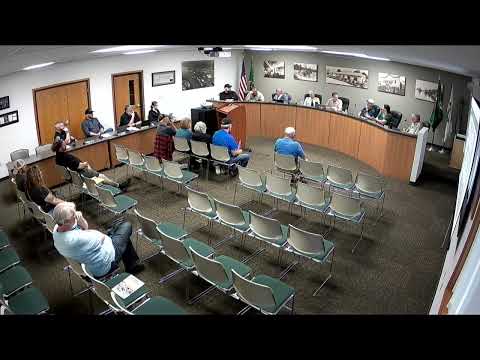
At a June 16 workshop the Woodland City Council heard staff and community comment about parking management, restroom access and lifeguard staffing at Horseshoe Lake Park and received repeated cautions from staff about legal and budgetary risks.
City staff explained that Horseshoe Lake Park currently benefits from Washington’s recreational land-use immunity, which applies when a site is open to the public for recreation and no fee is charged. Staff said charging park or parking fees would likely remove that immunity, increase the city’s insurance requirements (staff estimated an initial additional insurance cost of at least $10,000 annually depending on coverage limits) and require upgrades and repairs to park infrastructure so the city could meet a higher maintenance standard. Staff estimated additional upfront and annual costs could be roughly $20,000–$25,000 depending on scope and insurer requirements.
Staff also warned that charging fees could make the city ineligible for some state grant programs (examples cited include RCO and CDBG-administered grants) and that establishing a charge that applied only to park visitors but not to other nearby users could be construed in court as a de facto park-use fee. Legal staff summarized the issue as fact-specific and said implementation details would determine whether a parking fee would preserve immunity or be treated as a park use charge.
Councilmembers and public commenters outlined competing community priorities. Several residents said they want Woodland taxpayers and city residents to have reasonable access to Horseshoe Lake when visitors from outside the area consume available parking. One resident, Meg, asked that city residents be prioritized and suggested a decal program for cars registered to local taxpayers. Mayor Todd Deinhardt repeatedly framed the issue as a balance between neighborhood impacts and tourism benefits, and emphasized enforcement changes: "From now on, alcohol, we see alcohol. You're getting a citation," he said, describing stronger enforcement at Horseshoe Lake.
On lifeguards, staff and council said adding lifeguard staffing would increase the city’s exposure to liability and operational obligations. Staff noted the city would have to close the swim area whenever a scheduled lifeguard did not appear, and that lifeguard presence can change legal obligations if an incident occurs. Council members cited prior drownings and the city’s limited staffing as reasons to decline that commitment for now.
The council did not adopt a fee policy or authorize lifeguard staffing at the meeting. Directions and next steps recorded in the workshop included: - Staff will open the Civic Center restrooms for Planters Days events and evaluate usage; Public Works Director Riley will report back at the July 1 council meeting on restroom operations after the event. - Staff will continue to explore options (e.g., timers, programmed door codes, decals) and return with more detailed legal and cost analysis if the council wishes to pursue a fee program.
The workshop ended without a formal vote to impose parking fees or to provide lifeguards; several council members expressed skepticism about charges that could expose the city to litigation or loss of grant eligibility.