Get Full Government Meeting Transcripts, Videos, & Alerts Forever!
Get email alerts on the Governance Procedures topic
No spam. Unsubscribe anytime.
Commissioners press for clearer procedures and financial transparency after outside‑engagement spending
Summary
Following the ballot votes, several commissioners raised concerns about transparency, communication and prior spending on consultant work; the commission approved a requirement that future financial requests be brought to the full commission for a vote and scheduled a July review of legal drafts.
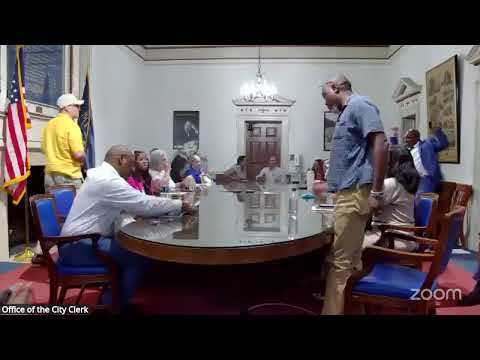
After the ballot votes on June 4, Mount Vernon Charter Review Commission members pressed for stronger internal procedures and clearer oversight of expenditures related to the charter review work.
Several commissioners said they learned after the fact that the commission had reengaged the National Civic League on a roughly $29,000 contract for public outreach and that details of that spending had not been discussed in full‑commission public sessions. Commissioners said they felt the spending and the report were attributed to the commission without the full panel having had an opportunity to review or vote on the scope and budget.
Why it matters: commissioners’ names and the commission’s public credibility are attached to contracts and to any recommendations that reach voters. Members said they want a predictable, documented process before additional public funds are spent to finalize ballot language and conduct public education.
What the commission did: - Motion on financial transparency: a commissioner moved that “all financial requests be brought to the full commission for vote prior to the request being made.” The motion passed; the recorded roll call and the meeting record show the motion carried (see provenance). The motion requires that future expenditure requests tied to the commission be presented to the full commission for discussion and a vote before funds are requested from city accounts.
- Scheduling and next steps: the commission voted to schedule a follow‑up session to review the attorney’s legal drafts and finalize language before submission to the city clerk. Commissioners settled on July 16 as a working date; the chair agreed to confirm availability of counsel and adjust the date if necessary.
Discussion highlights: commissioners asked for written procedures that define the chair’s role, the process for agenda setting, how subcommittees submit reports, and how consultant or legal‑service expenditures are approved. Several members asked that any future expenditure requests include an itemized estimate (hours, rates, deliverables) and that invoices and reports be shared with the full commission.
Ending: Commissioners agreed to press the city attorney and retained counsel to produce draft ballot language and to return to the full commission for review on the July date. The commission also asked staff to draft a simple procedures document and an expense‑request template to be available in advance of any future spending.