
North-side residents say parking from 22 Brookfield events is blocking driveways, fire access
Get AI-powered insights, summaries, and transcripts
Subscribe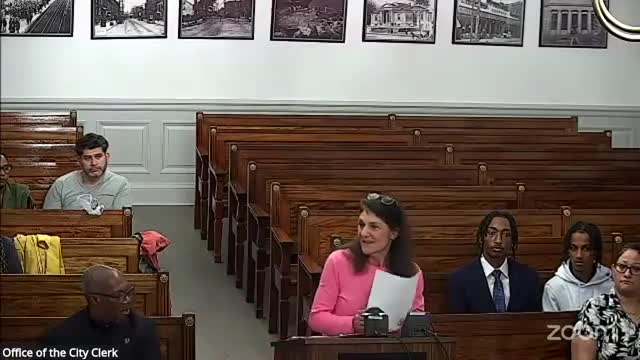
Summary
Residents told the Mount Vernon City Council that overflow parking from activities at 22 Brookfield Row has overwhelmed nearby residential streets, blocking driveways, hydrants and emergency access; council members promised outreach to the facility and investigations into enforcement and long-term mitigation.
Residents from the North Side told the Mount Vernon City Council on Tuesday that overflow parking tied to events at 22 Brookfield Row is creating safety and access problems for their neighborhood.
“The facility at 22 Brookfield now serves over 2,000 families. Despite the substantial increase in attendance, the property has fewer than 65 parking spaces,” neighborhood resident Tony Gammons said during the public-speaking portion of the meeting. “As a result, the overflow vehicles have… overwhelmed surrounding residential streets, causing significant disruptions, imposing serious safety issues.”
Gammons and other residents described blocked driveways, cars parked over lawns and in front of fire hydrants, double parking, and food trucks contributing to congestion on Southfield, Brookfield, Eastfield, Monterey and Delray. “Emergency vehicles are unable to navigate,” he said, and residents said caregivers, school buses and handicap vans have been delayed on multiple occasions.
Council members acknowledged the complaints and outlined next steps. Councilwoman Gleason said she has observed the same patterns and proposed outreach to the facility’s leadership to coordinate solutions, including assistance from the police department and use of auxiliary officers. “Maybe there are certain things that we can help them to alleviate this by putting them in touch with the police department, possibly putting them in touch with auxiliary, and potentially putting them in touch with the school district,” Gleason said.
Councilman Thompson said he would follow up with the complainants and determine whether police had been called and what enforcement had occurred. He also suggested asking the facility to address its own attendees during services or events to prevent illegal or hazardous parking: “Usually… the pastor or whoever’s in charge will get on the microphone and say, please don't block this.”
Council members discussed both short-term enforcement and longer-term mitigation options: special police details for high-attendance days, formal parking permits or limits, shuttle or satellite parking agreements (for example with nearby schools), and special permit conditions that require a parking plan for large-capacity uses. Gleeson referenced a previous local arrangement — between a private club and a synagogue — as a possible model for voluntary sharing of parking resources.
No ordinance or formal vote on new parking rules was taken at the meeting. Council members asked residents to leave contact information and said staff would follow up with police, codes and planning to assemble possible enforcement actions and to arrange a meeting with the facility’s leadership.
Ending: Council members asked staff to report back on the number of complaints and any enforcement actions taken, and to pursue a community meeting to explore immediate steps and potential longer-term regulatory changes.