
Downtown Visions says BID is privately funded; ambassadors trained not to enforce panhandling ban
Get AI-powered insights, summaries, and transcripts
Subscribe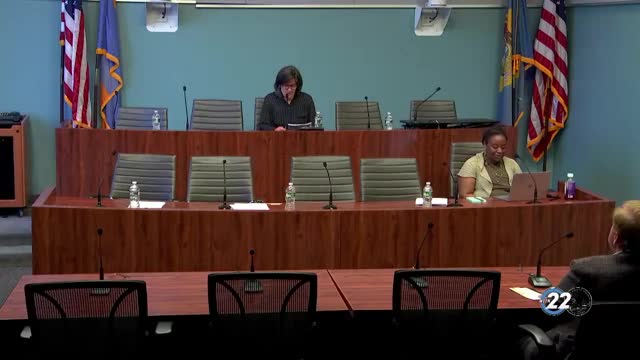
Summary
Downtown Visions executive director Michael Majidi told the Wilmington intergovernmental committee on June 4 that the Downtown Business Improvement District is funded primarily by property‑owner assessments and that its street ambassadors no longer enforce panhandling or loitering rules following a consent decree.
Downtown Visions executive director Michael Majidi told the Wilmington City intergovernmental committee on June 4 that Downtown Visions manages the Downtown Business Improvement District and that the district’s regular funding comes from assessments on downtown property owners, not city general‑fund dollars.
Majidi said the assessment “covers 95% of our budget” and that the district is “privately funded, on the property owners in Downtown Wilmington.” He described the BID’s staffing and operations: the organization is authorized for 53 employees, 46 of whom are ambassadors who work downtown seven days a week; ambassadors start at $16 an hour and the organization’s average pay is $18 an hour.
The presentation outlined BID boundaries, governance and exemptions. Majidi said the BID was created by state law and a city ordinance and that “government buildings and churches are exempt and nonprofits pay half and any residential property that has 4 units or less does not pay the assessment.” He added that the BID’s board has slots defined in city code, including five city positions, and that the current board chair is Wilmington attorney Adam Landis.
Committee members questioned Downtown Visions about how ambassadors interact with people who are unhoused. Council member Shanae Darby asked, “what is your protocol in response when dealing with the unhoused population downtown? I have been getting a lot of complaints in regards to how ambassadors respond to those situations and to people who are unhoused, downtown.” Majidi replied that after a consent decree between the attorney general’s office and the Wilmington Police Department, “we do not tell people they can't panhandle. We, we do not tell people they can't loiter, unless they're on private property. And we have a complaint from the property owner prior to that.” He added, “We have no arrest power. We have none of that, but we would warn people if they didn't stop that we would call the police. But that all stopped last fall when the decree came down from the attorney General's office and chief Campos.”
Darby asked how a resident or council member should report allegations about ambassadors. Majidi asked that they contact him directly: “Please contact me. We're, we're small enough that that I wanna be involved in those kind of, you know, allegations.” The committee also noted there is a small contract under which the city pays Downtown Visions to remove graffiti (Majidi said it was less than $10,000 last fiscal year), but that roughly 95% of the BID budget is assessment revenue from property owners.
Public commenters raised related concerns about street-level enforcement, trash and loud music. One resident said she had noticed fewer people on downtown benches than before and thanked staff for work downtown; another urged clearer city enforcement of littering and noise laws, and was advised to contact the resident’s district council member or submit a 311 request for city services.
The committee did not take any formal action on the presentation; members thanked Majidi and invited follow‑up and contact information for complaints.
The committee’s discussion combined organizational details about the BID (funding, boundaries, governance, employee pay and benefits) with operational questions about ambassador conduct and limits of authority after the consent decree. Members sought a clear reporting path for complaints and emphasized that ambassadors have no arrest powers and that enforcement of loitering and panhandling changed after the attorney general’s action.