
Wilmington councilmember outlines landlord engagement lab proposals: registry, incentives, loan/grant repairs
Get AI-powered insights, summaries, and transcripts
Subscribe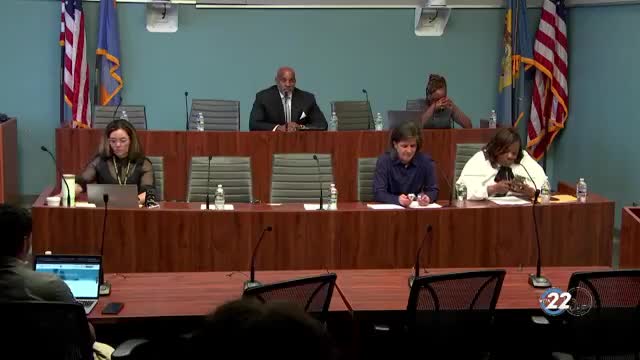
Summary
Councilwoman Shanae Darby reviewed a landlord engagement lab project developed with the National League of Cities and Stanford Legal Design Lab that recommends an online rental registry, landlord incentives, education, repair loans/grants and a six‑month amnesty for unlicensed rentals.
Councilwoman Shanae Darby told the Committee of the Whole on Wednesday that Wilmington participated in a Landlord Engagement Lab organized by the National League of Cities and Stanford Legal Design Lab to focus on “mom-and-pop” landlords managing 20 or fewer units.
Darby said the lab produced five policy ideas the city could adopt: an online rental registry; incentives to encourage landlords to register (examples cited included parking permits, reduced registration charges, trash service or public recognition); landlord education and training about programs and resources; a loan or grant program to help income‑qualified small landlords address code violations; and a six‑month amnesty for unlicensed landlords to bring properties into compliance.
She said the administration and Commissioner Pabon support an online registry and that the lab provided some startup funding for the city’s participation. Council members said the registry could make it easier for tenants to confirm a unit’s license status, help staff track inspections and improve communication between landlords, renters and city government.
Public commenters and several council members debated whether small landlords should receive subsidies, with Darby saying any repair-assistance program would be income‑qualified and targeted at small owners rather than large corporate landlords. A resident asked why landlords would need assistance when many charge high rents; council members responded that the lab specifically targeted small, often resource‑constrained owners and that incentives and education were meant to increase compliance and reduce unsafe housing conditions.
Darby said the landlord engagement lab work is intended to be combined with L&I reform, housing trust development and other measures to increase affordable housing and reduce displacement.