Get Full Government Meeting Transcripts, Videos, & Alerts Forever!
Get email alerts on the Public Safety Police topic
No spam. Unsubscribe anytime.
Police chief cites rising calls and staffing shortfall; urges fleet plan and highlights drone and clinician programs
Summary
Police Chief Lorele Sher told the committee Beverly saw about 26,000 calls for service last year, that the department has 74 officers versus an FBI benchmark of about 86–87, and that vehicle replacement is shifting to capital planning while drone use and grant‑funded clinician positions support response and mental‑health interventions.
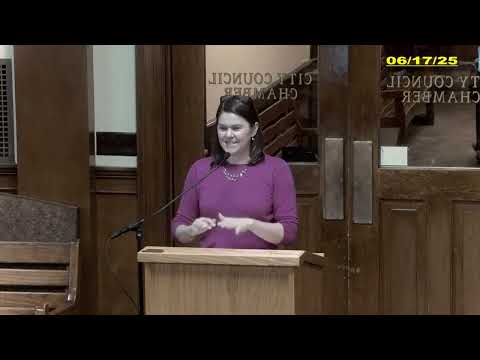
Chief Lorele Sher of the Beverly Police Department told the finance and property committee that calls for service have increased and that staffing and fleet planning are central issues in the FY26 budget discussion. “We have increased every year approximately 26,000 calls for service,” Sher said, adding a figure later in the presentation that rose to about 26,800 calls in the most recent year.
Sher said the department currently has 74 sworn officers and cited FBI benchmarks that suggest a city Beverly’s size would typically have about 86 or 87 officers: “We should probably have 86, 87 police officers. We have 74,” she said. Sher described how leaves, academy schedules and retirements affect overtime and patrol coverage and noted that the department has not needed to return to the council for additional funds mid‑year during her tenure: “I think this is my eleventh budget, presenting, and, we've never had to come back to the council since I've been here looking for further money during the year,” Sher said.
On fleet replacement, Sher and councilors discussed moving vehicle purchases to the capital plan and the need for a fleet replacement schedule. Historically the department replaced roughly three cruisers per year, dropping to one in the most recent cycle; Sher said the department will present a mileage‑based fleet plan and work with the mayor's office to identify funding sources.
The department described dispatch and rapid‑response scheduling changes that position transport or booking units so patrol officers can remain on their beats longer. Sher said those changes increased officers on the street in meaningful ways without increasing total headcount.
Sher and staff described grant‑funded programs the department now hosts: a regionally shared critical‑incident/mental‑health training center with a full‑time clinician (grant funded) and a Leahy grant clinician; both clinicians were credited with expanding training and assistance to officers and partners. Sher said those grants are important and warned that state funding fluctuations could jeopardize clinician positions.
On technology and equipment, Sher described a small drone program used for search and rescue and crowd monitoring; the department has purchased initial drones and is training staff to national certification standards for public‑safety use. “The drones are now under my preview…they're a necessary tool for some unfortunate circumstances,” she said, citing recent search‑and‑rescue uses.
Sher emphasized training obligations: Massachusetts Police Training Council (MPTC) mandates require officers to complete annual continuing education, firearms qualifications and certifications. She said the department will continue to manage overtime and staffing to meet those obligations and requested a coordinated fleet plan and capital approach for vehicle replacements.
The committee did not take a final vote on police appropriations tonight; the full FY26 budget was referred to the full council for a public hearing the next day.