Get Full Government Meeting Transcripts, Videos, & Alerts Forever!
Get email alerts on the Roads Sidewalks Funding topic
No spam. Unsubscribe anytime.
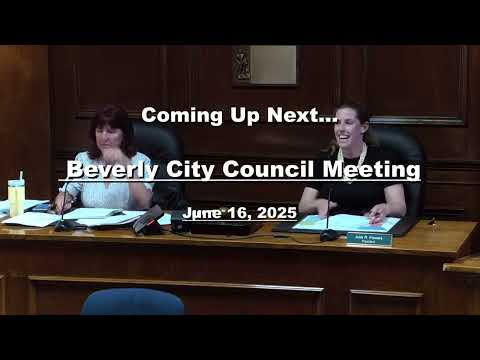
Beverly council to transfer $3 million from free cash to roads and sidewalks; councilors press for long‑term plan
Summary
Councilors approved moving $3 million from certified free cash into the road and sidewalk capital fund after questioning whether the city can sustain the shift away from an operating line item and how projects will be prioritized.
The Beverly City Council voted Monday to transfer $3 million from the city’s certified free cash balance into the road and sidewalk capital fund, a move the administration says will pay for work planned for fiscal 2026.
The request — introduced by Finance Director Brian Ailes and recommended by the city budget analyst, Paul Perry — passed the council after public and council debate about whether the transfer represents a permanent shift away from operating‑budget funding for pavement work.
Perry, the council’s budget analyst, recommended the transfer and told councilors that if both the $3 million roads transfer and a separate $100,000 centennial fund transfer were approved, the city would still have roughly $4.9 million remaining in free cash. He said the transfer fits the city’s policy for one‑time use of reserves.
Councilors asked multiple operational questions about how the city would prioritize streets and whether the larger funding approach would continue in future years. Mayor Cahill said the administration wants to keep funding roads annually but cautioned that restoring a recurring operating line will depend on economic conditions. He added that the city plans to use alternatives such as cold‑in‑place recycling, which can reuse milled material and reduce per‑street costs.
“As far as the ability to use reserves to do road and sidewalk work, I said at a prior meeting that we're gonna do everything we can to put money into roads and sidewalks every year,” the mayor said. He noted that some state and regional grants are also expected to cover specific corridors, including a planned MassDOT paving of Essex Street later this year.
Public works staff and the administration told councilors the road and sidewalk fund is a revolving account and currently all programmed funds are obligated against specific projects on the engineering list; the $3 million transfer would add to the city’s available capital this construction season. The administration said it has also contracted for cold‑in‑place recycling work to stretch funds by using reclaimed binder material on candidate streets.
Councilors sought more transparency about which streets will be paved and the cost per street. Councilor Bowen urged more routine public reporting of the engineering department’s cost estimates and the fund’s programmed balance. Mayor Cahill agreed to publish representative cost breakdowns of projects to help residents understand why similar‑length streets can have very different price tags depending on structural issues, culverts, curbing and drainage needs.
The transfer was referred to the committee on finance and property, which approved the request, and the council subsequently voted in favor; committee minutes show the finance committee recommended approval. Councilors said they expect the administration to provide additional detail as the funds are programmed and to continue seeking state and other external funds for major corridors.