Get Full Government Meeting Transcripts, Videos, & Alerts Forever!
Get email alerts on the Legislative topic
No spam. Unsubscribe anytime.
Counties and cities tell committee new revenue would plug maintenance gaps, replace bridges and fund safety projects
Summary
Representatives of counties and cities told the committee that House Bill 2025’s new revenue would be used primarily for operations, maintenance, preservation and safety: paving, culvert and bridge replacement, guardrails and pedestrian crossings. Clackamas and Tillamook counties provided examples of likely spending priorities.
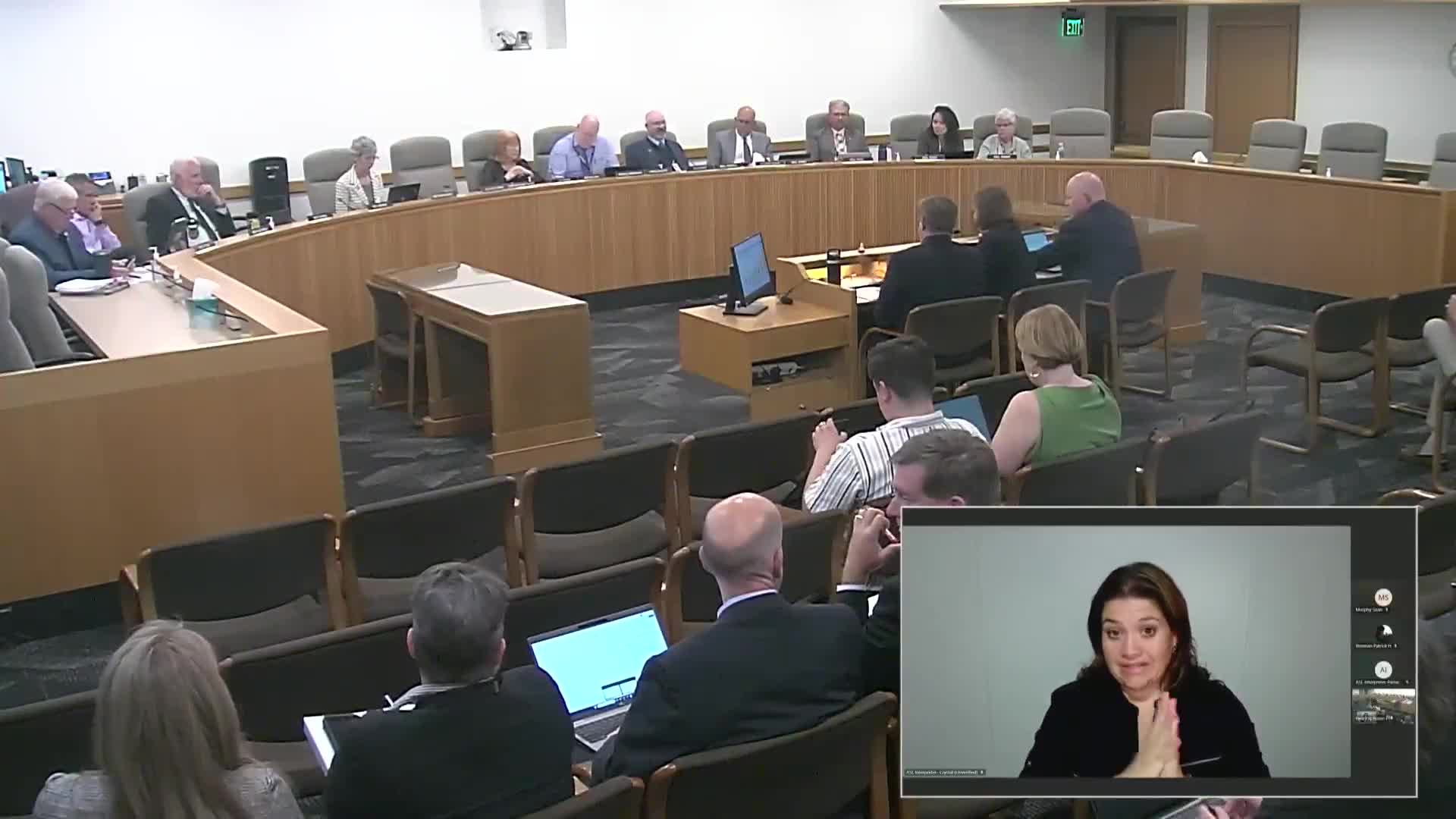
County and city representatives told the Joint Committee on Transportation Reinvestment on June 16 that new revenues proposed in House Bill 2025 would be used to restore basic maintenance and safety work that local governments have deferred for years.
Mallory Roberts, representing the Association of Oregon Counties and county engineers, said counties have reduced crews and postponed critical maintenance "facing challenges from inflation, from declining fuel consumption, dramatic reductions in federal funding, and limited local revenue raising options." Roberts told the committee the bill "would allow counties to reinvest in our shared transportation system" and described specific local examples: Clackamas County has about 1,400 road miles, 186 bridges and could use new revenue to pave up to 25 miles per year or replace aging bridges; Tillamook County would prioritize culvert replacement and fog‑line upgrades because of heavy rainfall and tourism demand.
Jim McCauley of the League of Oregon Cities said the package would allow many cities to address deferred maintenance: "Those cities are gonna be putting that money back into really their transportation infrastructure backlog," he said, and listed priorities including preventive paving, bridge repairs, safer intersections and pedestrian facilities.
Why it matters: local roadway preservation directly affects safety and emergency access in many rural and urban communities. County testimony emphasized that federal grant funding has declined and local road departments lack tools to raise revenue at scale. County and city witnesses said the proposed formula (the 30% county, 20% city share) would help reduce long replacement cycles and would fund routine but critical activities such as pothole repair, vegetation control, and culvert replacements.
Member concerns: Representative Evans asked whether counties that have seen secession votes should receive new state funding; county representatives replied that the voters made those determinations and that county commissioners’ budgets still fund operations. Members also requested more granular county‑level projections and specific bridge counts; county representatives offered to provide tailored data upon request.
Ending: Counties and cities urged the committee to consider the package’s ability to restore core maintenance functions and to reduce the backlog of deferred projects; they offered to supply additional, county‑specific analyses as the committee seeks revenue estimates and final language.