Get Full Government Meeting Transcripts, Videos, & Alerts Forever!
Get email alerts on the Ballot Integrity And Accountability topic
No spam. Unsubscribe anytime.
Witnesses press for accountability on spoiled ballots after contested Raleigh recount
Summary
Supporters of S.536 told the committee that current rules and local practice can lead to lawful ballots being marked spoiled and never counted, and they seek requirements for recording and public inspection of spoiled-ballot records to aid investigations and prevent disenfranchisement.
Former state representative Lenny Mara and witnesses described events from a contested municipal election in which they say legally cast mail‑in ballots were marked spoiled and were not counted during a recount, and they urged the committee to advance S.536 to increase accountability for spoiled ballots.
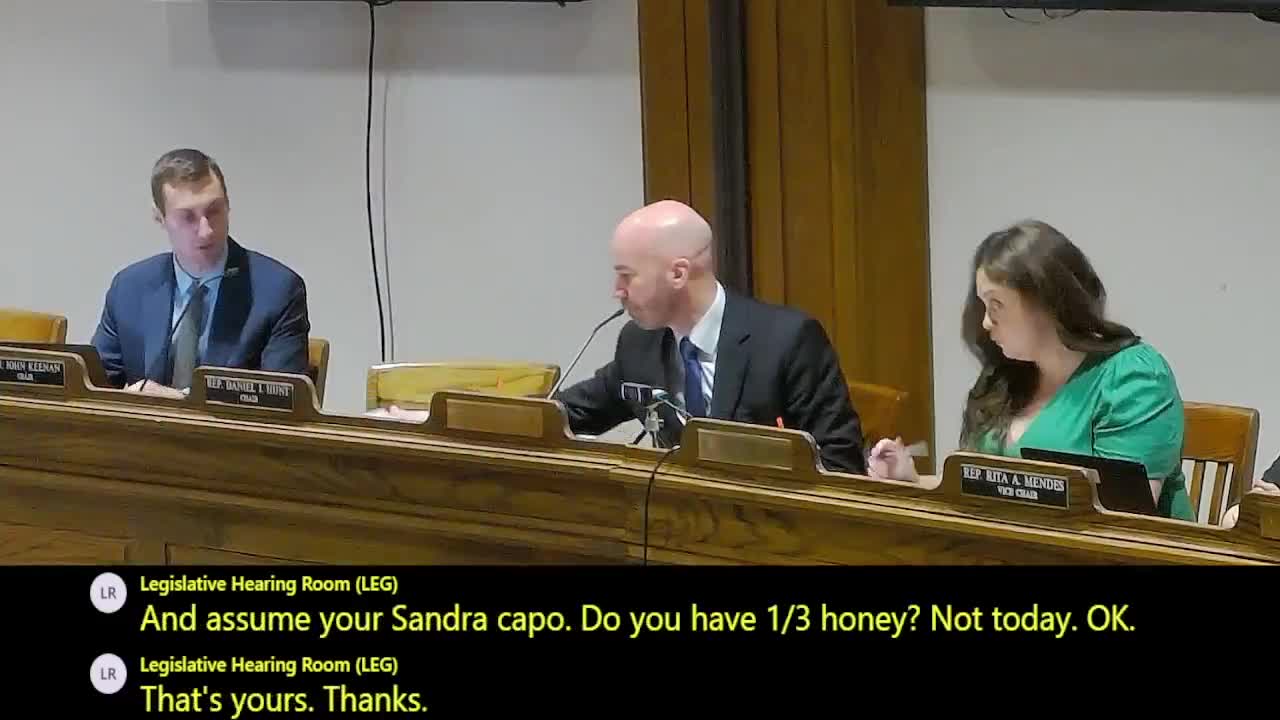
Sandra Capo, who testified she is Mara’s sister and was present during the recount, described a 2022 municipal recount in which dozens of mail ballots that had been rejected by tabulators were marked “spoiled.” Capo said those ballots were not hand‑counted at the recount and that attorneys for the successful candidate were allowed to retrieve and submit a small set of disputed spoiled ballots for review. She cited Massachusetts General Laws, Chapter 54, Section 103, noting that court jurisdiction for ordering improperly rejected ballots to be counted is limited to the Superior or Supreme Judicial Court.
Capo described an attempt to seek court review, saying a judge initially demanded delivery of contested ballots but then declined jurisdiction and the House special committee later declined to investigate; she said the outcome left ballots uncounted and voters potentially disenfranchised.
S.536, supporters said, would amend the statute governing spoiled ballots to require a record of the number of spoiled ballots and the reasons they were spoiled, and to make that documentation available for public inspection. Proponents said such documentation would make it easier to identify improperly spoiled ballots and would help courts and investigators focus on ballots in dispute.
Committee members asked clarifying questions about procedures at the recount, including how many ballots were reviewed and how decisions were made about which spoiled ballots could be inspected during the recount. Witnesses said procedures appeared inconsistent and that some poll workers leading the recount exercised discretionary judgments without clear standards.
No committee vote was taken; proponents provided written testimony and asked the committee to consider S.536 as a way to reduce the risk that legally cast ballots are discarded without an adequate record or remedy.