Get AI Briefings, Transcripts & Alerts on Local & National Government Meetings — Forever.
Sen. Liz Miranda urges larger automatic transfers from cannabis fund to social equity programs
Loading...
Summary
Sen. Liz Miranda asked the Joint Committee on Cannabis Policy to report S.87 favorably, a bill that would reallocate a larger share of cannabis regulatory revenue to the Cannabis Social Equity Trust Fund and related equity programs without raising taxes.
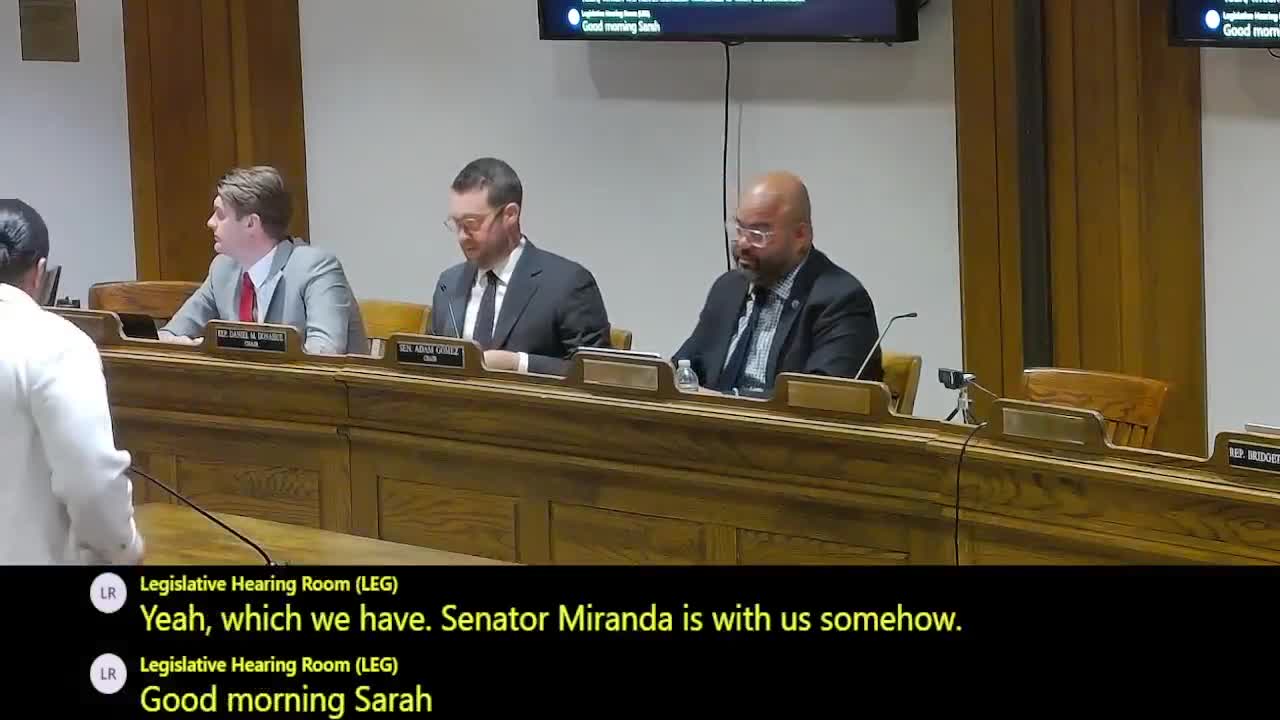
Sen. Liz Miranda asked the Joint Committee on Cannabis Policy to report S.87 favorably, saying the bill would direct more of Massachusetts’ existing cannabis licensing and tax revenue toward communities harmed by the war on drugs.
Miranda, who represents nine Boston neighborhoods and said she is “home to the first Black‑owned dispensary in the entire state,” described S.87 as a way to ensure legalization “uplifts social equity businesses, and fulfills the promises we made to communities that were harmed by the war on drugs.”
The bill would reallocate existing revenue deposited in the Massachusetts Regulation Fund (MRF). Miranda told the committee the MRF generated “almost $300,000,000 in revenue last year” and that S.87 would designate 50% of MRF funds to a set of equity and community programs. She outlined proposed shares in testimony: an increase from 15% to 18% for the Cannabis Social Equity Trust Fund (CSETF) for loans and grants to social equity cannabis and ancillary businesses; 12% to CSETF for technical assistance; 10% to the Executive Office of Economic Development for a community empowerment reinvestment grant program; 5% for matching grants; and 5% for the Cannabis Control Commission.
Miranda said the bill “does not raise taxes or fees. It simply reallocates a slightly larger share of the existing tax and licensing revenue from the marijuana industry toward the actual equity initiatives that we hoped had been there from the beginning.” She asked the committee for a favorable report.
Several delivery and social equity operators who testified later in the hearing reinforced the need for sustained funding and easier access to grants and loans. Kevin Gilneck of Equitable Opportunities Now told the committee that demand for the equity trust fund “outpaces the available funding by a 2 to 1 margin,” and called for automatic, stable funding to allow social equity applicants to compete for real estate and capital.
No formal committee action or vote on S.87 was recorded in the hearing transcript. Testimony indicated broad support from social equity operators and advocates for larger, predictable funding streams; others at the hearing raised related implementation concerns (timing, grant administration, and whether funds should be managed as traditional grants through state agencies).