
Denham Springs council approves appeal, clears way for 39‑lot subdivision on Hatchell Lane
Get AI-powered insights, summaries, and transcripts
Subscribe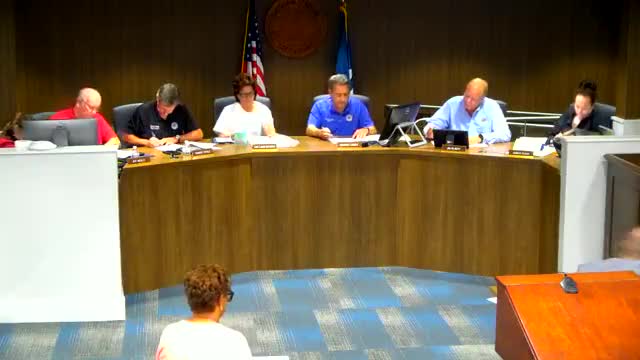
Summary
After a lengthy public hearing dominated by traffic, drainage and safety concerns, the council voted 3–2 to approve an appeal from Draco Development LLC and grant preliminary plat approval for a 12.736‑acre subdivision into 39 lots near Hatchell Lane.
The Denham Springs City Council on June 10 approved an appeal from Draco Development LLC and granted preliminary plat approval for a 12.736‑acre subdivision that would be divided into 39 residential lots and two common‑area tracts off Hatchell Lane.
The meeting drew scores of residents who urged the council to deny the appeal, citing traffic congestion on Hatchell Lane, limited emergency access, stormwater and drainage risks and the loss of wooded buffers. Several speakers pressed the council to complete previously planned infrastructure projects on Hatchell Lane before allowing new development.
Applicant Danny Turner of Draco Development told the council the filing seeks only preliminary plat approval and that construction plans — including final drainage and traffic measures — would come later. Turner said the development would require “very minimal” grading and that engineering during later permitting would ensure the project did not increase runoff to neighboring properties.
Rachel Hunter, representing Greatco Development, summarized preliminary studies the applicants provided: a traffic assessment estimating an additional 1 vehicle every two minutes during ordinary hours (about 27–37 additional vehicle trips per peak hour, by the developer’s estimate) and a school‑district projection adding about 13 elementary, 7 junior high and 4 high‑school students from the subdivision.
Residents who testified included long‑time homeowners on Willow Glen, Jason Drive, Darren Drive and nearby streets. They described daily congestion, past incidents that blocked emergency access, recurring flooding during heavy rains and concern that raising building pads would increase runoff onto lower properties. Dennis Myers (1104 Willow Glen) summarized that opposition in stark terms: “Growth without infrastructure is not a good thing.”
Council discussion focused on whether safety concerns tied to Hatchell Lane — a state highway under DOTD jurisdiction — provided a lawful basis to deny the preliminary plat. The city attorney and staff said permitting conditions, engineering review and DOTD traffic review occur after preliminary plat approval; those later reviews are designed to address drainage, traffic and emergency access before construction begins.
After debate, a motion to deny the appeal failed. An alternate motion to approve the appeal was seconded and carried on a roll‑call vote: Duvass (yes), Gilbert (yes), Lamb Williams (yes); School (no), Wesley (no). The tally recorded three votes in favor and two against.
Council members and staff instructed that standard engineering and permitting reviews must occur during the post‑approval design and permitting stages, including stormwater/drainage design, DOTD coordination for any state‑road impacts and the city’s subdivision engineering checks. The developer and city staff were told to follow the subdivision regulations and engineering standards when preparing final construction plans.