Get Full Government Meeting Transcripts, Videos, & Alerts Forever!
Get email alerts on the Land Donation topic
No spam. Unsubscribe anytime.
North Little Rock council holds Indian Hills property donation pending survey
Summary
The City Council voted to hold action on a donated parcel and two lakes from the Indian Hills Community Club after legal counsel requested a current property survey and more financial information about long‑term lake maintenance and liability.
The North Little Rock City Council on the donation of property and two small lakes from the Indian Hills Community Club, but deferred a decision after legal staff asked for a current property survey and additional financial information.
The resolution before the council would authorize the mayor and city clerk to accept the donation of land owned by the Indian Hills Community Club. Councilmember Fowler said, “Mayor, based on the legal advice of city's council, we're gonna hold this tonight,” and the council agreed to delay further action while staff obtains a survey and related cost estimates.
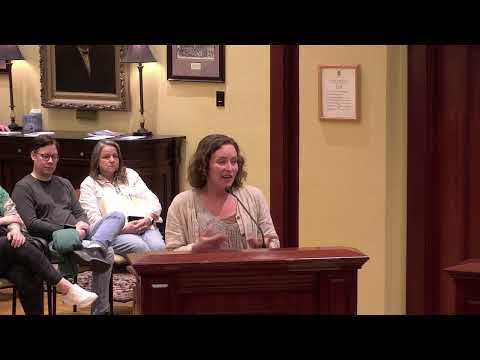
The issue drew several neighborhood and community speakers who urged action in different directions. Miss Rhodes, who identified herself as secretary of the Indian Hills Community Club, asked the council to accept the donation so the city could “solve the immediate issues of liability and of maintenance and move forward in a constructive way.” Sarah Bales Charlton, senior pastor at North Little Rock First United Methodist Church, said she has observed the process unfold and encouraged the council to move ahead, noting community divisions and the lakes’ potential role as public space.
Council discussion centered on who would bear long‑term costs and liabilities if the city accepts the lakes. Councilmember Ross and others noted maintenance and major repair costs the community could face if the city were to own the lakes. Ross summarized line items provided to the council: about $6,000 a year for mowing, an inspection every five years (about $800 per year amortized), roughly $1,500 annually for weed control, $2,500 for inspection‑related items, and an estimated $300,000 for major dredging roughly every 10 years. Ross said those recurring costs, plus insurance and occasional large repairs, would be prohibitive for roughly 50 lakefront homeowners to carry alone.
Councilmembers discussed alternatives, including accepting only the pool/park parcel rather than the entire lake properties, forming a residential improvement district with the approximately 50 lakefront lots, or using stormwater/drainage funding if the ponds qualify as drainage facilities. Ross cited a Lakewood comparison that showed a $208 annual assessment per home in that neighborhood’s improvement district and suggested a similar assessment on Indian Hills lakefront properties could be in the low hundreds per homeowner annually.
City staff described the next steps the council requested. The city has asked an engineering firm for a current survey; the council was told estimates from a surveying firm ranged, and councilmembers referenced Thomas Pannell of Thomas Engineering saying the survey cost “went from 10 to 12 to 15,000.” City engineering staff member David told the council field work would likely take two to three weeks and the finished survey could take up to about four weeks to deliver once authorized.
Councilmembers also asked staff to compile the Indian Hills Community Club’s financial records. Neighborhood services provided a historical financial report dating back to February 2008; staff told the council those records would be included in the packet for the next meeting.
No vote was taken and no approval was granted. The council’s action was recorded as a hold/tabled status while the city obtains a current survey, cost estimates, and additional financial and legal information. Council members said the survey would clarify property corners, fence lines and other ownership questions and inform later decisions about public access, docks, and long‑term maintenance responsibilities.
Next steps identified by councilmembers include authorizing the survey (staff indicated a contract not to exceed $15,000 would be pursued), receiving the survey and the neighborhood financial documents, and returning the item to the council once those materials are available for review.