
Park County reviews public-works budget as bridge projects, equipment debts and auditor warnings loom
Get AI-powered insights, summaries, and transcripts
Subscribe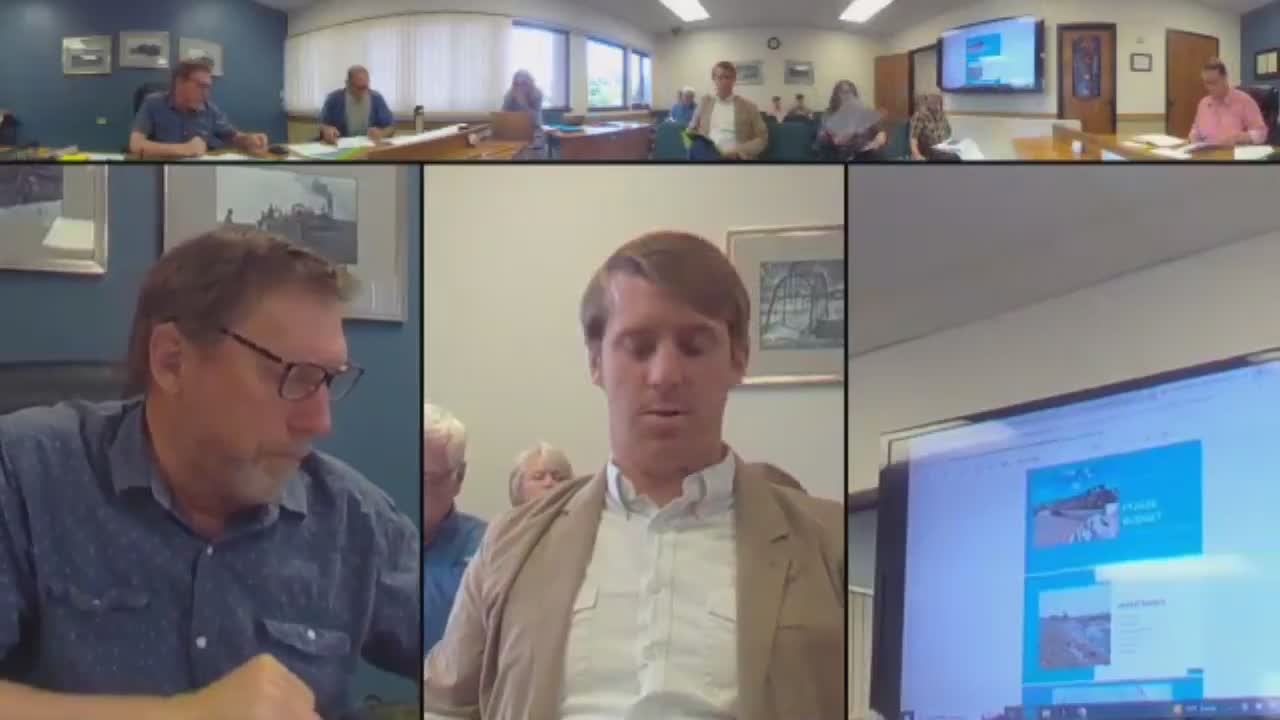
Summary
Commissioners examined the public-works budget on June 10, focusing on bridge replacements funded by FEMA and state rapid-repair programs, a planned engineering match for a state grant, increased operating costs and an auditor finding tied to equipment loans and the road fund balance.
Park County commissioners on June 10 reviewed a public-works budget that includes multiple bridge and road projects funded by federal and state programs, planned equipment sales and a flagged shortfall in the county road fund tied to prior equipment purchases.
The county’s public-works presentation identified major projects including a West Boulder bridge replacement funded by a full grant for about $1,400,000; a Yankee Dune erosion repair billed to FEMA at about $2,100,000 to restore access to the Sprints Creek Trailhead; Meadow Creek (Hamilton Road) rapid repairs under House Bill 536; and engineering for the Horse Creek bridge paid 50/50 by a Montana Coal Endowment grant. Public-works staff also described in-house projects such as a Deep Creek culvert replacement and plans to place 20,000–30,000 cubic yards of millings on county roads.
The department reported several budget changes for fiscal 2026: reduced road stabilizer spending (mag chloride and similar) from $100,000 to $40,000, an increase in materials from $100,000 to $150,000 (including a proposed $50,000 haul of gravel to Swinglee/Wolf Hill while a bridge is closed), and an increase in overtime from $30,000 to $60,000 to cover heavy summer workloads. Staff also proposed selling little-used equipment such as the large snowblower and a pressure unit.
Public-works staff warned of revenue pressure from federal program cuts. The department reported a $150,000 reduction in School and Roads (SRS) funding that arrived late in the year and will affect next year’s budget; staff identified Secure Rural Schools (SRS) when asked to define the program. Officials said additional SRS cuts could occur after the current two-year renewal.
The presentation and public comment turned to the county’s equipment financing and recent auditor findings. A public commenter read the independent audit, quoting the auditors that the road fund “significantly overspend its budget” and that the department made equipment purchases that required loans from the capital improvement fund. Commissioners and staff discussed a previously purchased crusher and stacker: the county borrowed about $950,000 to buy the equipment, expects to sell it for roughly $550,000 and acknowledged a remaining balance near $400,000. The public-works presenter said the timing of purchases and audit fieldwork created accounting issues: an interfund loan had been recorded as a due-to/due-from rather than as revenue, which affected how the auditors presented fund balances.
Commissioners and residents pressed for clarity on staffing and replacement cycles. Public-works staff said the road-and-bridge group currently shows eight positions (noting recent attrition) and that a vacancy will be brought forward next week for approval. The department also outlined equipment capital requests in solid waste and fleet replacement plans.
Public commenters urged caution on alternate FEMA projects and called for consistent use of FEMA funds for damaged facilities. One commenter urged fiscal restraint around large equipment purchases: “The sport nearly equipment failure should be part of your budgeting process. It shouldn't be justifying the budget process,” the commenter said. Commissioners emphasized the county’s constrained revenues and the large maintenance burden caused by seasonal tourist traffic.
No formal decisions or votes were recorded on June 10; staff said several items — such as filling a vacancy and pursuing equipment sales — will return to the commission in future agenda items.