Get Full Government Meeting Transcripts, Videos, & Alerts Forever!
Get email alerts on the School Budget topic
No spam. Unsubscribe anytime.
Spring-Ford leaders outline multi‑year plan to close projected 2026‑27 budget gap
Summary
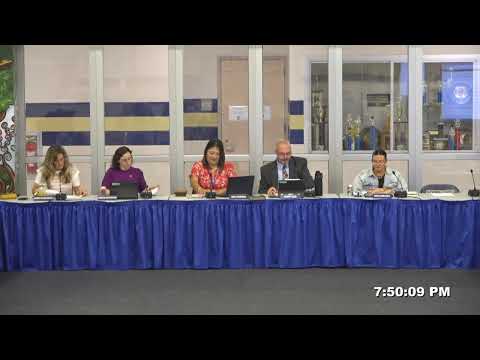
Mr. Rizzo, the district superintendent, told the Spring‑Ford Area School District Board of School Directors on June 16 that rising health‑care costs and lower commercial tax assessments are the primary drivers of a projected budget gap for the 2026‑27 school year.
Mr. Rizzo, the district superintendent, told the Spring‑Ford Area School District Board of School Directors on June 16 that rising health‑care costs and lower commercial tax assessments are the primary drivers of a projected budget gap for the 2026‑27 school year.
"We are required as a school district to follow a very strict process of budget approval called the Act 1 of 2006 budget process," Mr. Rizzo said, summarizing required deadlines and the district's timeline for preparing a preliminary and final budget.
The nut graf: the district is beginning a multi‑stage effort to close the gap that Rizzo said is driven mainly by health‑care cost increases and assessment appeals on commercial properties. He presented short‑term steps already taken and a recommended multi‑year plan that will combine revenue options, one‑time uses of fund balance and operational changes to reduce recurring costs.
Rizzo reviewed the district timeline required under state rules: September (PDE releases the Act 1 index), October–November (preliminary budget development), a required preliminary budget presentation around November, board approval of a proposed preliminary budget and any qualifying exceptions in January, a proposed final budget in April and a targeted final approval in May (with a hard deadline of June 30). He also said the administration’s goal is to accelerate some work so that the board could approve a budget as early as February for 2026‑27.
He described the principal options the district is weighing: raise taxes within the Act 1 index; use approved referendum exceptions (the district used $1.6 million in exceptions in the 2025‑26 cycle and drew about $300,000 from a debt‑service “drop off” this year); draw from the unassigned fund balance (one‑time funds); and pursue expenditure reductions across property, programs and personnel (the “3 Ps”).
"Spending this drop off on regular operating expenses, however, does limit the ability to borrow for future projects," Rizzo said, noting that using recurring debt‑service savings for ongoing operating costs must be done sparingly.
He recommended a phased process: in July–August the business office will generate options with pros and cons; in the fall district staff will meet with administrators to identify gaps and potential flexibilities; in January staff will meet with each building and department; and in February the district will compile the data for board consideration and decision‑making through March. He emphasized that there is not a single fix: "It's gonna be multiple solutions over multiple years to get where we need to be."
Board members and finance staff also provided context. Mr. Fink, a district staff member referenced in the presentation, had earlier presented financial details that informed the discussion, and Mrs. Westwood, the finance committee chair, later summarized committee numbers for the board (finance committee materials showed liquidity and revenue trends through May 31). In the finance report, the district reported $85.5 million in cash on hand and ongoing pressure from self‑funded health insurance, which was pacing about $1.5 million over projection through May.
Rizzo cautioned that some drivers are outside district control — notably commercial assessment appeals and regional health‑care cost trends — and noted the board used referendum exceptions and some debt‑service drop‑off to balance the 2025‑26 budget. He said the short‑term measures approved last month buy time while the district develops longer‑term operational changes to take effect in 2026‑27.
The administration plans an efficiency analysis that could include reviewing building schedules, duty schedules, program refresh plans, staffing assignments and whether positions will be filled after retirements or resignations.
No formal vote on 2026‑27 budget actions occurred at the June 16 meeting; the presentation was informational and intended to begin community and board discussion. Rizzo closed by asking for questions and confirming the administration will return with specific options and supporting data in the fall and winter for the board to consider.
Less critical details: Rizzo reminded the board that the district had approved the 2025‑26 budget last month, which included a 5.14% increase, and that the district currently qualifies primarily for the special‑education referendum exception under Act 1.