
DOJ halts LISC support, pausing Vernon County domestic‑violence services funded by rural grant
Get AI-powered insights, summaries, and transcripts
Subscribe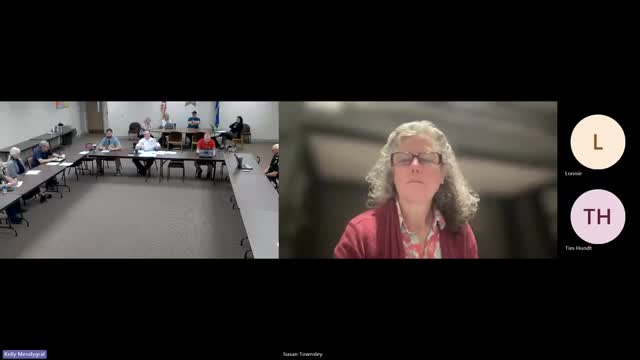
Summary
The U.S. Department of Justice notified the Local Initiatives Support Corporation (LISC) that the Rural Violent Crime Reduction Initiative award was terminated, forcing Vernon County partners to stop work immediately and leaving offender assessment and victim‑support services temporarily unfunded.
The U.S. Department of Justice informed Vernon County in late April that it had terminated LISC’s Rural Violent Crime Reduction Initiative award, forcing the county and its partners to stop work on the DOJ‑funded program immediately, county officials said.
The notice, read aloud during the Public Safety and Justice Committee meeting, stated that recipients must “immediately stop work under your contract with LISC” and that LISC “will not be able to reimburse you for obligations incurred or expenditures made after Tuesday 04/22/2025.” The termination removed an expected revenue stream that supported coordinated domestic‑violence services across the county.
Why it matters: the three‑year grant—awarded to Vernon County on behalf of the sheriff’s office and community partners—totaled $200,000 and was expected to run through 2025. County and program staff said the cut affects offender assessments that feed required six‑month intervention groups, healthy‑relationship education in schools and a volunteer responder program that links victims to immediate services.
Susan Townsley, clinical director at Stone House Counseling, told the committee the program had become “a holistic approach to domestic violence in our community” and that the abrupt cut is “really detrimental.” She described clinician assessments that can take “12 to 18 hours to complete” and said cutting funding makes it impossible to pay clinicians to finish those assessments and to funnel people into the required group programs.
Program coordinator Amy Oliver told the committee she had submitted financials to LISC and that, after a final reimbursement request filed May 2, the program’s remaining funds to spend through the end of the year totaled $58,718. Oliver said earlier updates had reported about $80,000 remaining before that final reimbursement was submitted.
Family and Children’s Center domestic abuse project coordinator Janice Turban described operational changes the grant enabled: a coordinated response team that increases referrals, faster contact with victims, and routine referral of domestic‑violence arrestees into the offender program. Turban said the program had received 107 offender referrals since the grant began and that volunteer‑led HEART responders had helped victims access court resources and safety planning.
Committee members and program staff discussed short‑term options. Staff said Local Initiatives Support Corporation is paying contractors through May 2 and that LISC is reviewing the DOJ termination notice. Committee members said they had contacted U.S. Rep. Derek Van Orden’s office and would continue to seek federal review, and staff briefed the committee on the status of an application to the University of Wisconsin’s Wisconsin Partnership Program that would not begin disbursing funds until September if awarded.
Several committee members urged the county to consider a temporary bridge so people currently enrolled in diversion agreements and treatment would not be left without services. One staff member said Ho‑Chunk funding might align with the program’s countywide scope and suggested routing a funding request to the county finance committee for consideration. No formal appropriation or vote to commit county funds was recorded at the meeting; the committee discussed making a recommendation to finance but did not adopt a binding motion at that time.
Speakers emphasized that losing the clinical assessments would likely reduce the number of offenders who complete diversion‑ordered treatment and could increase the risk of continued cycles of abuse. “There are a number of people hanging in limbo who are waiting for assessments that we can’t complete,” Townsley said. Staff warned that, without funding, offenders would likely drop out of diversion‑ordered groups because court costs and travel make participation infeasible for many.
Committee staff summarized program accountability and recordkeeping, saying partner organizations submit detailed invoices and time tracking for reimbursement. Staff also said they have seen other federal grant terminations reversed in the past but cautioned that a successful rescission of this termination was not guaranteed.
What’s next: staff said they would continue outreach to the Department of Justice and LISC, follow up with Rep. Van Orden’s office, pursue other grant opportunities and explore short‑term county funding options. Committee members asked staff to prepare materials to present to the finance committee should they pursue a county bridge allocation.
Ending: program leaders asked the committee to balance fiscal questions with the program’s operational needs, noting that the coordinated work across law enforcement, health and community partners had produced outcomes that staff and volunteers described as preventing escalation of abuse and connecting victims to services. The committee left the item open for follow up and possible referral to finance.