Citizen Portal
Sign In

Belton ISD projects a multimillion-dollar shortfall for 2025–26; staff outline assumptions and compensation scenarios

3857068 · June 17, 2025

Loading...

AI-Generated Content: All content on this page was generated by AI to highlight key points from the meeting. For complete details and context, we recommend watching the full video. so we can fix them.

Summary

District staff told trustees that after reductions and anticipated state revenue the 2025–26 general fund still faces a projected shortfall; presenters outlined enrollment, property valuation and payroll assumptions and said final figures depend on TEA guidance and certified values in July.

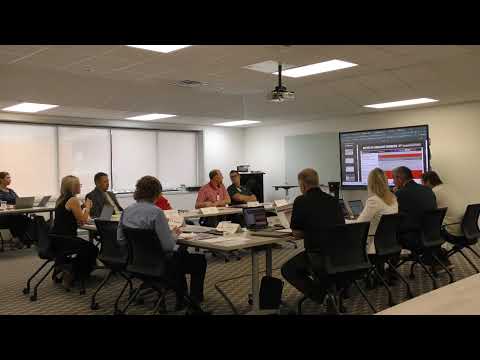
BELTON, Texas — Belton Independent School District staff presented 2025–26 budget assumptions and compensation scenarios at a June 16 board workshop, saying earlier reductions trimmed roughly $11 million but an estimated $2.3 million shortfall remains under current assumptions.

Melissa, a district staff member leading the budget presentation, told trustees the district is using a conservative enrollment projection of 13,584 students (about 1% below 2024–25) and assumed refined average daily attendance at roughly 92% of enrollment. Property values were estimated at 8% growth for planning, with preliminary appraisal-district estimates nearer 6.5%; certified values in July will determine the official tax base used for adoption.

Melissa and other presenters reviewed prior reductions the district made heading into 2024–25 and into 2025–26 planning: about $6.8 million in permanent reductions or deferments implemented earlier and roughly $5.5 million in additional reductions identified by the Budget Advisory Committee for 2025–26 — about $11 million total. Those cuts included campus and department budget trims, staffing-ratio adjustments, postponed purchases and reduced summer/enrichment programming.

Staff modeled revenue increases tied to the Legislature’s funding packages and the district’s assumptions. The district’s current projection shows an improved revenue position compared with earlier projections, but Melissa said the district still anticipates a gap of approximately $2.3 million after the planned $5.5 million in reductions and the preliminary revenue run. She said a better-than-expected close for the 2024–25 year could reduce that gap — staff noted an updated projection that could narrow the 2024–25 deficit to about $5 million and lift the district’s fund balance closer to 21%.

Todd, a district staff member who outlined compensation mechanics, said House Bill 2 requires specific uses for certain teacher-pay increases: the law provides $2,500 for teachers with three to four completed years of experience and $5,000 for teachers with five or more completed years. Todd estimated the teacher-retention allotment would cost the district about $3.5 million in salaries. House Bill 2 also creates a staff-retention allotment worth about $45 per student for nonadministrative staff; district staff estimated that amount equates to roughly a 1% pay increase for those employees and would generate about $482,000 for non-teacher salary increases plus roughly $500,000 for related benefits in the current model.

Staff also flagged benefit-cost pressures. The district received TRS ActiveCare health-insurance rates for 2025–26 showing premium increases in the double digits; presenters said premiums could rise about 13–13.5% overall and that the district’s employee contribution of $410 per month will not cover larger premium jumps, creating out-of-pocket increases for employees and further budgetary pressure.

Other planning variables discussed included a $4 million vacancy factor that staff use as a conservative offset for positions that remain unfilled during the year, a proposed $500,000 placeholder for minor capital facility improvements, and a possible return to a previously designated capital reserve. Trustees and staff asked about a potential “disaster penny” or tax-rate options to close gaps; staff said ranges were discussed but final tax-rate choices and any resolution would occur in July and August when certified values are available and the board adopts the budget and tax rate.

Melissa and other presenters said staff will continue refining assumptions, run compensation scenarios in July, present recommendations to the Budget Advisory Committee, and bring a recommended, balanced budget to the board for adoption in August.

Ending: Staff emphasized the budget remains a work in progress pending certified property values, TEA guidance on legislative changes and final compensation choices for the board to consider in July and August.