Get Full Government Meeting Transcripts, Videos, & Alerts Forever!
Get email alerts on the District Finance topic
No spam. Unsubscribe anytime.
San Marino Unified cites bond passage, parcel tax renewal and stable enrollment as pillars of fiscal stability
Summary
District business staff credited Measure M bond passage, renewal of a local parcel tax, conservative budgeting and stable enrollment for positive fiscal certifications and the ability to fund facility and systems upgrades.
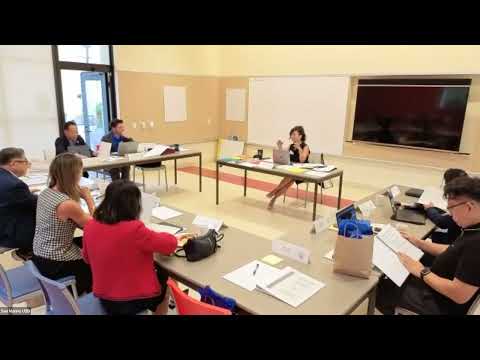
District finance staff told the board on June 9 that San Marino Unified entered 2025 with fiscal indicators the staff described as stable, noting recent voter support for local measures and ongoing efforts to upgrade financial systems.
The presentation said Measure M, a facilities bond passed in November, won roughly 71 percent voter approval and launched implementation of the district’s facilities master plan. Staff also reported renewal of a long‑standing parcel tax (Measure R) with about 76 percent approval. Those local revenues, combined with steady enrollment and conservative budgeting, were credited for the district’s positive interim financial certifications.
Business staff described operational steps that supported cash flow in a month when state payments were delayed: careful management of restricted and one‑time funds, meetings between business staff and each site to monitor budgets, and contingency planning that avoided short‑term borrowing. Staff also outlined upcoming financial technology projects: implementing a ClearGov transparency platform for public budget access and rolling out a human capital management (HCM) module as part of an 18‑month systems upgrade expected to go live in April 2026 to better integrate position control with payroll and finance systems.
District staff highlighted capital and operational projects funded in part by federal ESSER dollars, including HVAC upgrades that used ESSER III funds and allowed the district to upgrade 18 locations. Staff said the district’s food services operation is self‑supporting and has acquired a branded food truck—paid with grant and catering revenues—intended to expand meal delivery options and develop future catering income streams.
No board action was required during the briefing; staff said they would continue to bring regular interim updates and an implementation timeline for the HCM roll‑out.