Get Full Government Meeting Transcripts, Videos, & Alerts Forever!
Get email alerts on the Public Health Fluoride topic
No spam. Unsubscribe anytime.
Local dentist urges Frostburg to consider research when reviewing community water fluoridation
Summary
A local dentist presented research and urged the commission to maintain community water fluoridation, citing long‑standing studies and a recent Harvard study projecting harms from removing fluoride from public water systems; the speaker answered residents’ questions about infants, formula and at‑risk populations.
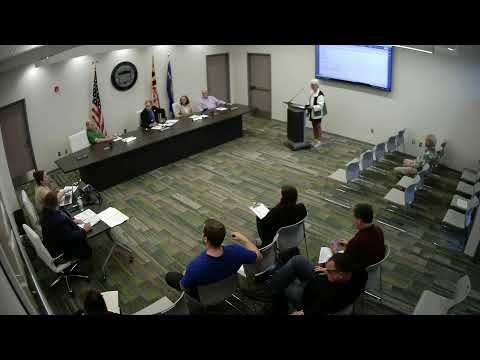
Dr. Gretchen Seibert, a practicing dentist in Frostburg, addressed the commission during the open public‑comment period about community water fluoridation.
Seibert outlined the long history of fluoride research and its role in reducing dental caries, referenced a May 30 longitudinal study from Brigham and Women’s Hospital (Harvard) titled Projected Impact of Removing Fluoride from Public Water Systems in The United States, and noted recent state developments including Louisiana’s decision to maintain community water fluoridation. She said Frostburg’s treatment staff carefully titrate fluoride levels and that the city’s added fluoride is “under the national recommended level,” as described in her remarks.
In questions from the audience, Seibert and others discussed special circumstances: pediatricians sometimes recommend low‑fluoride water for formula preparation because formula plus fluoridated water could raise infant exposure; Seibert said systemic fluoride during tooth development and topical fluoride afterward both contribute to caries prevention, and she emphasized the disproportionate benefit for underserved and Medicaid‑eligible populations who may lack regular topical fluoride exposure.
Seibert provided the commission with copies of the Harvard study and asked staff and commissioners to review the research as related proposals and debates over fluoridation continue nationally. No action was taken; the comments were part of the public‑comment period.