Get Full Government Meeting Transcripts, Videos, & Alerts Forever!
Get email alerts on the Higher Education topic
No spam. Unsubscribe anytime.
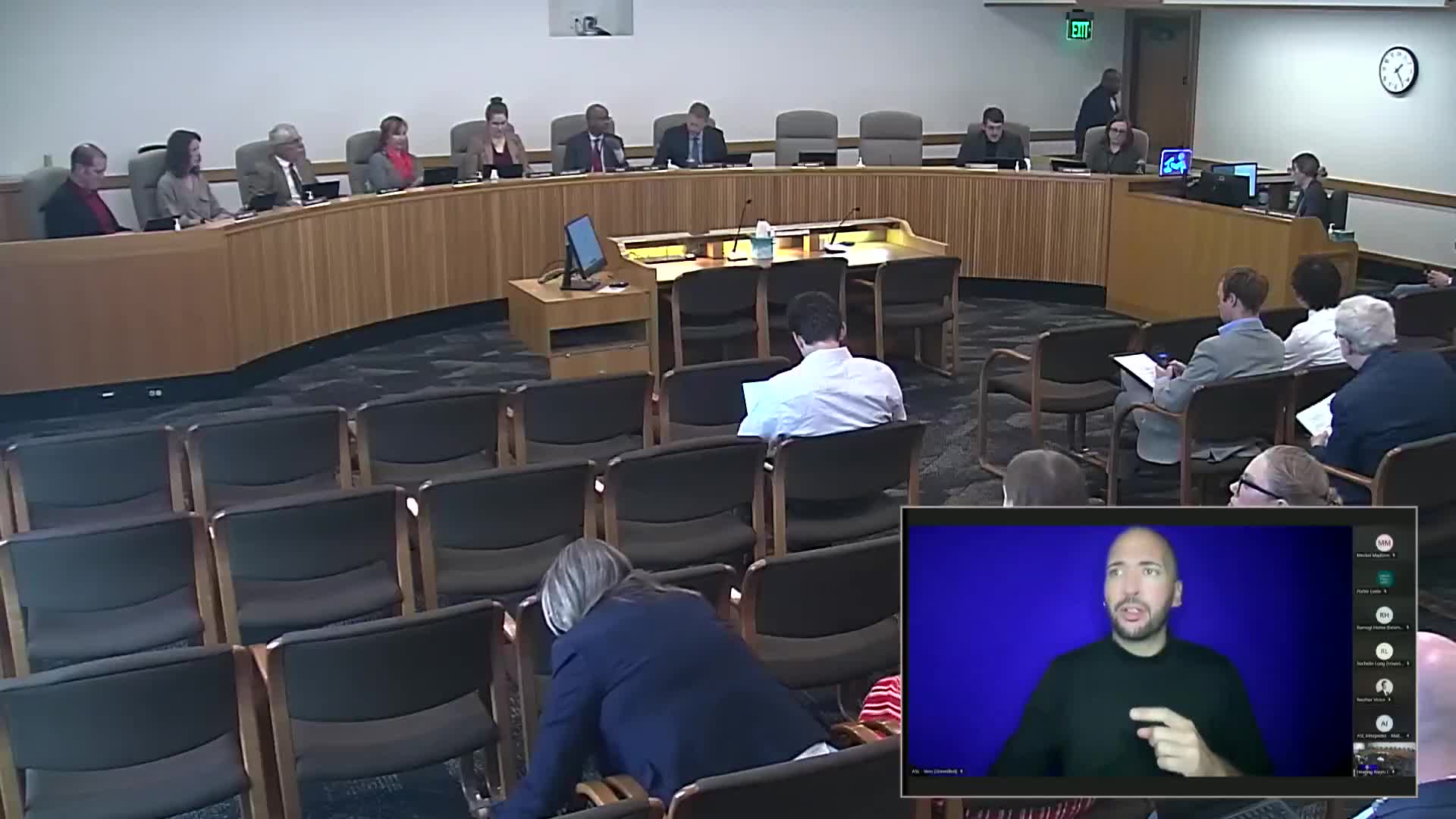
Committee hears competing views on bill allowing colleges to pay athletes for name, image and likeness
Summary
The Senate Committee on Rules took testimony on SB 11 93 (dash 1), a bill that would allow colleges and universities to directly compensate student athletes for name, image and likeness while restricting certain disclosures and potential conflicts of interest.
The Senate Committee on Rules heard testimony on Senate Bill 11 93 (dash 1), which would permit colleges and universities to directly pay current or prospective student athletes for the use of their name, image and likeness (NIL) and place limits on disclosure and conflicts of interest.
Senator James Ivory Manning Jr., sponsor of the measure, said the bill builds on prior Oregon legislation and a Supreme Court decision, aiming to ensure Oregon athletes can be compensated for NIL without NCAA penalties. Ramogi Huma, executive director of the National College Players Association, testified in support and described the state law landscape: "The most important thing that Oregon can do is have the most expansive freedoms for their athletes, and keep the NCAA and the conferences at bay." Huma urged protections for both athletes and collectives and warned that collectives account for significant revenue for athletes nationwide.
University witnesses raised concerns. Trent Lutz of the University of Oregon and Katie Fast of Oregon State University said provisions in the bill and the posted dash‑1 amendment risk conflicting with terms of a recent settlement and related implementation structures (including a national clearinghouse and NIL enforcement structures). Fast warned that noncompliance could expose institutions to student ineligibility, suspension, fines and loss of conference distributions. She said the draft language creates ambiguity about the definition of "institution of higher education," the role of conferences and the handling of disclosure of NIL contract terms, and suggested the issue be further discussed in the interim.
Sponsors and university representatives agreed on the goal of protecting student athletes' ability to earn NIL compensation, but they differed on how to structure disclosure and limits on conference payments and how state law will interact with a newly negotiated national settlement. The committee received the testimony and closed the public hearing for the measure; no committee action to adopt or move the bill was reported in the transcript.
Committee members asked clarifying questions about compliance risk for institutions and the bill's intent to preserve athlete freedoms while preventing conflicts of interest and predatory long‑term deals. Supporters said the amendment would prevent universities or athletic associations from serving as or influencing the selection of an agent, prohibit contract terms that extend beyond a student's participation, and restrict disclosure of contract terms to conferences or associations.