Get Full Government Meeting Transcripts, Videos, & Alerts Forever!
Get email alerts on the Consumer Protection topic
No spam. Unsubscribe anytime.
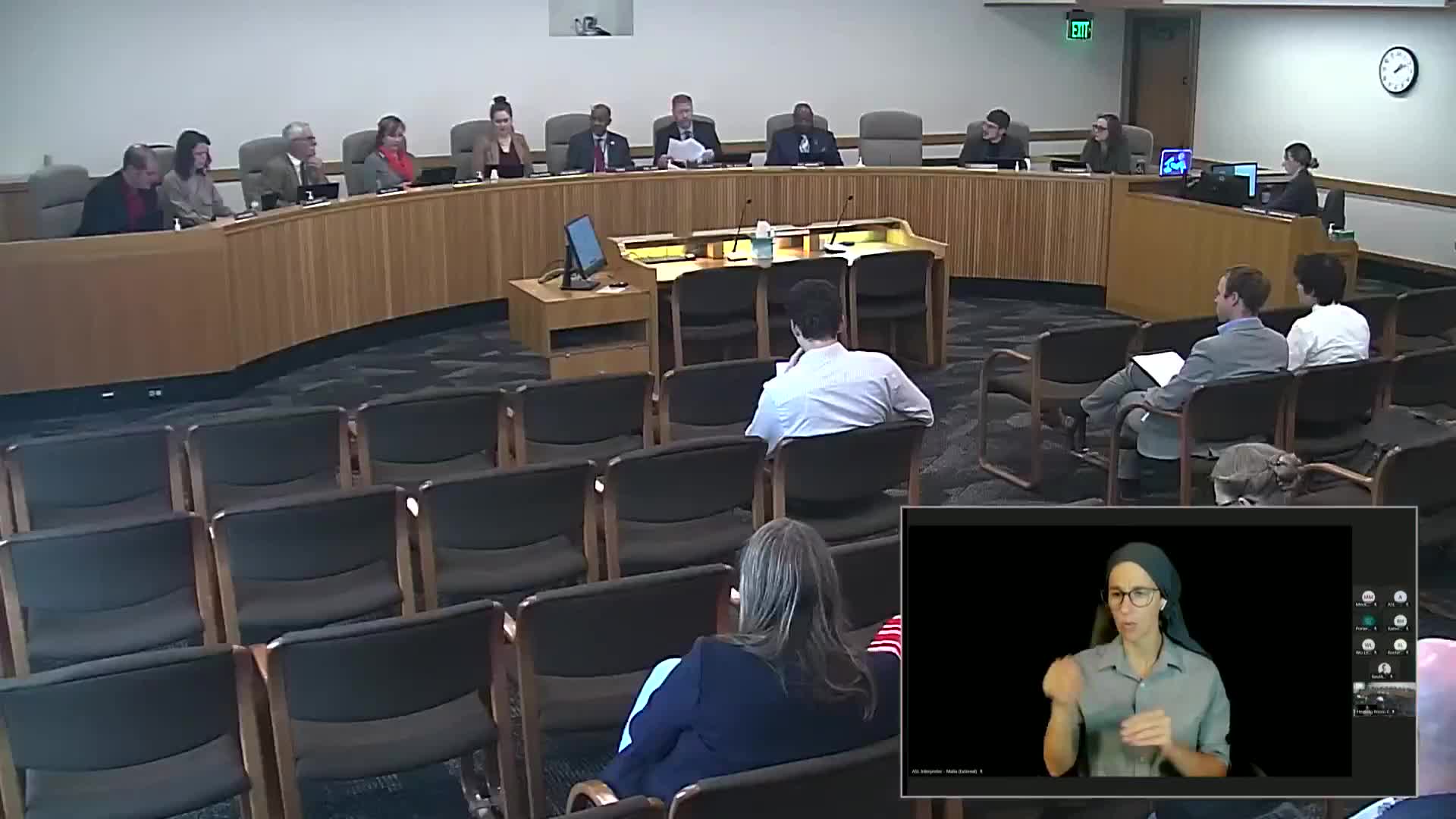
Committee approves amended bill to expand do-not-call limits to texts and auto-dialers but some members raise loophole concerns
Summary
The committee adopted the B4 amendment narrowing bases for unlawful trade-practice claims, approved HB 38 65 B as amended to extend time and frequency limits to text-message solicitations and auto-dialers, and flagged debate over a later dash-6 amendment that would expand the definition of "established business relationship."
The Senate Committee advanced House Bill 38 65 B as amended after debate over competing amendments that narrow or broaden exemptions for businesses using text-message solicitations and auto-dialers.
The measure expands Oregon's telephone‑solicitation and automatic‑dialer rules to include text messages, sets allowable calling hours from 8 a.m. to 8 p.m., and limits solicitations to three attempts in 24 hours unless an exemption applies. It treats misrepresenting identity or omitting specified disclosures in text‑message solicitations as unlawful trade practices. The bill also permits a caller to rely on a customer's area code to determine location and associated time zone. The posted B4 and B6 amendments adjust the statutory bases for unlawful trade practices and the definition of "established business relationship."
Sponsors and proponents said the B4 amendment removes two bases for Unlawful Trade Practices Act claims and narrows the measure; the B6 amendment sought to expand the definition of "established business relationship" to include an individual's express invitation to receive solicitations. Representative Nathan Sosa testified that the dash‑6 could create a broad loophole, saying consent given during commerce often becomes a wide-ranging permission that lead‑generation businesses exploit: "when folks click consent ... that consent is then deemed to apply to potentially hundreds or thousands of businesses." He asked the committee to retain the narrower dash‑4.
Department of Justice representative Leslie Wu told the committee the dash‑6 would not interact with the federal Do Not Call Registry. Several senators expressed concern that a broad opt‑in definition could swallow the rule and produce more unsolicited messages, while sponsors said the dash‑6 was intended to protect consumers who intentionally opt in to receive communications.
The committee voted to adopt the dash B4 amendment and then to move HB 38 65 B, as amended, to the floor with a "do pass" recommendation. Roll calls recorded multiple ayes and a small number of no votes; one senator said privately they would vote no on final passage despite supporting the amendment. The committee also noted the potential for a minority report aimed at drafting tighter language to close the perceived loophole while preserving consumer options.
The bill now goes to the Senate floor; the committee's action was to adopt the B4 amendment and forward the amended bill with a recommendation.