Get Full Government Meeting Transcripts, Videos, & Alerts Forever!
Get email alerts on the Camping Ordinance Amendment topic
No spam. Unsubscribe anytime.
Council shortens camping‑ordinance timeline from 7 to 3 days, then defers the ordinance after heated public testimony
Summary
After a motion to reconsider the previously defeated camping ordinance (Ordinance C36679), the council suspended rules to amend the measure, replaced a 7‑day pass period with 3 days, allowed additional public testimony, and ultimately voted to defer the ordinance to June 30 for further stakeholder work.
The Spokane City Council returned Ordinance C36679 (the city’s proposed unlawful camping/obstruction ordinance) to the table, approved an amendment shortening a required pass period from seven days to three days, allowed new public testimony late in the meeting and then, following extended public comment and council debate, voted to defer further action on the ordinance to June 30.
Council members moved to reconsider C36679 and the motion passed by a recorded voice vote that the clerk summarized as 5‑2. The council then suspended the rules to permit an amendment to section 6 (striking “7 days” and inserting “3 days”), a suspension the council later confirmed had passed. The amended version of the ordinance was read by the clerk with the new three‑day timeline; council members then debated whether to vote that night.
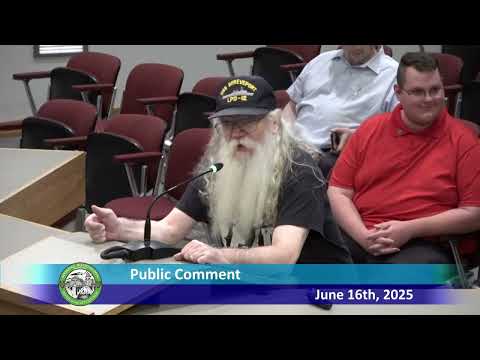
Because much of the public testimony during the earlier meeting had addressed a seven‑day standard, council members agreed to allow new testimony on the amended proposal. Dozens of residents, business owners and service providers spoke in tightly contested testimony that stretched past midnight. Downtown business representatives described persistent obstacles to serving customers and urged enforceable protections for sidewalks and business entrances. Emily Cameron of the Downtown Spokane Partnership told the council that after 5 p.m. on Thursdays there is “no one to do outreach until Monday” and asked the council to clarify who enforcement and outreach would be at weekends.
Service providers and people with lived experience pushed back. Angel, who described daily outreach work with unhoused residents, said shrinking the pass period from seven days to three “gives outreach teams less time, not more. That is not engagement. That’s eviction.” Amy Manning of Experience Matters said the ordinance “does not allow for people to exist and be houseless” and warned that shorter timelines could force outreach teams into a “chase” of people and undermine continuity of services.
Council members cited competing stakeholder input. Some council members said seven days was too long and allowed encampments to become entrenched; others said shortening the pass period undermined engagement and outreach. Council member Dylan moved to defer the ordinance for additional stakeholder meetings and a firm implementation plan; the motion to defer to June 30 passed on voice vote with no recorded opposition announced.
Formal council actions recorded during the meeting included the successful motion to reconsider C36679, suspension of rules to permit amendment, adoption of the amendment changing 7 days to 3 days, a vote to suspend rules to consider the item without the usual public packet, a motion to allow additional public testimony, and a final motion to defer consideration of the ordinance to June 30 so stakeholders and staff could work toward a revised implementation plan. The council directed staff to return with clearer enforcement details and implementation timelines as part of the deferred work.
The episode provoked strong public reaction: many speakers criticized the timing and process (calling late‑night reconsideration “undemocratic” or “trickery”), while downtown business owners and hospitality groups said immediate enforceable protections were needed to keep customers and workers safe. The deferral leaves the ordinance’s text changed (3‑day timeline) but its fate and enforcement mechanisms unresolved pending the planned stakeholder meetings and legal/implementation work.