Get Full Government Meeting Transcripts, Videos, & Alerts Forever!
Get email alerts on the Public Health Pest Control topic
No spam. Unsubscribe anytime.
Resident raises health and environmental concerns about city mosquito fogging; councilors defend long-standing program
Summary
A resident urged Tipp City to stop or re-evaluate citywide mosquito fogging, citing safety-data-sheet warnings and aquatic toxicity; council members responded by noting the program’s long history and rising mosquito-borne disease risk.
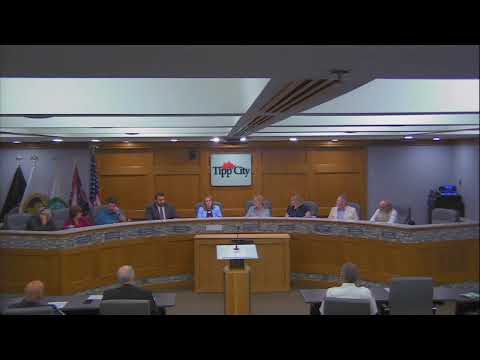
TIPP CITY, Ohio — During public comment at Monday’s Tipp City Council meeting, resident Chelsea Lay urged the council to reconsider the city’s routine mosquito fogging program, citing the pesticide’s safety data sheet and potential harm to wildlife and private-property gardens.
Lay said she reviewed the safety data sheet for the product identified in her remarks as AquaPerm XUL 30-30 and raised concerns that the label lists skin sensitization, target-organ toxicity and that the product is “extremely toxic to fish and aquatic vertebrates.” She said the program performs six applications per summer and told the council the annual cost for those six treatments is $3,420. Lay recommended the city spend that money on low-cost pollinator-friendly plantings and increase resident education on property-level mosquito reduction.
Eric Mack, the city staff presenter during the meeting, confirmed that the fogging program is city-funded and said it is performed on public streets and rights of way; he told the resident that the product registration is included in the meeting packet on the city website and offered to help provide the contract documentation.
A council member replied that the city’s mosquito program has operated for decades without documented long-term population or wildlife impacts and noted the arrival of mosquito-borne illnesses into Ohio as temperatures warm; during council remarks members referenced West Nile virus and dengue as examples of mosquito-borne disease risks to the community. Mayor Rogers suggested the city could research newer, potentially more environmentally friendly chemicals for mosquito control.
Council did not take action on the mosquito program at the meeting; staff offered to continue the conversation and to provide documentation and additional information to the resident outside the public comment period.