Get Full Government Meeting Transcripts, Videos, & Alerts Forever!
Get email alerts on the Economic Development Tif topic
No spam. Unsubscribe anytime.
Council approves tax-increment financing agreements for Reserve at Honey Creek development
Summary
Council approved a package of agreements enabling tax-increment financing (TIF) for the Reserve at Honey Creek subdivision; the port authority will issue bonds and the city will pass TIF receipts to the trustee.
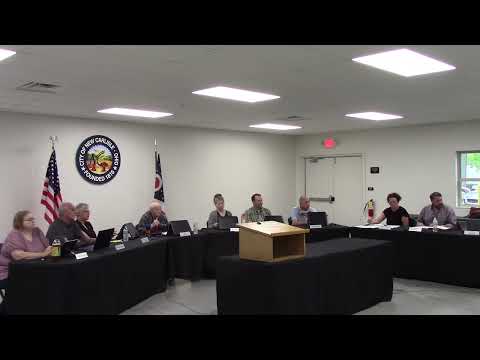
The New Carlisle City Council voted unanimously June 2 to approve a set of agreements implementing tax-increment financing for the Reserve at Honey Creek residential development.
Greg Daniels, the city attorney serving as project counsel, summarized three documents before the council: a tax-increment financing cooperative agreement among the city, the port authority and the developer; a declaration of covenants and conditions recorded against the developer’s property; and a tax-increment financing agreement between the city and the developer. Council approved the ordinance on a 7-0 vote.
Daniels told the council the city’s role is limited to receiving the TIF proceeds collected by the county and passing them to the port authority trustee; the port authority will issue bonds and the city will not be on the hook for the debt. He explained that the developer will construct certain right-of-way and parking improvements and be reimbursed from TIF proceeds. If bonds are repaid and excess TIF money remains, the agreement calls for a 50–50 split of excess funds between the developer and the city.
Council members asked whether a larger park had been included; Daniels and staff said the project will retain the park area and playground equipment previously installed but a larger park plan did not move forward in the current financing package.
The documents recorded for the project are designed to make bond holders comfortable that pledged revenues will be available; the city attorney said the approach used elsewhere (a comparable cited was Canal Winchester) and noted the agreements do not create city debt.