Get Full Government Meeting Transcripts, Videos, & Alerts Forever!
Get email alerts on the Collin Creek Redevelopment Plano topic
No spam. Unsubscribe anytime.
Plano says $97 million in public funds helped Collin Creek redevelopment; private investors covered most costs
Summary
City of Plano officials described roughly $97 million in public funding — about 10% of the project — used to support the Collin Creek redevelopment, with private investment covering the remainder of the roughly $950 million project. Public tools included a tax increment reinvestment zone, two public improvement districts and drainage bonds.
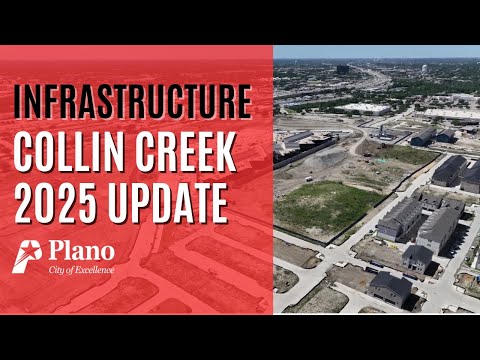
City of Plano staff said the Collin Creek redevelopment — which includes a 2,000‑space underground parking garage on the site of the former Collin Creek Mall — has received about $97,000,000 in public funding, roughly 10% of the project's total cost, with private investors financing the remainder.
The city used a tax increment reinvestment zone to capture revenue growth at the site and created two public improvement districts, one for commercial development and one for residential development, to help pay for streets, sidewalks and utility infrastructure. City staff said the city also issued $28,000,000 in drainage bonds to rehabilitate 40‑year‑old culverts that carry Spring Creek under the property; staff characterized that drainage work as necessary regardless of the redevelopment.
City staff said the city’s direct share of public funding is about $50,000,000. Private investment, described in the presentation as more than $853,000,000 (about 90% of the total), supplies the bulk of the estimated cost. The redevelopment site covers roughly 100 acres and includes an underground parking structure that officials said is nearing completion.
A city staff member described how public improvement district financing works: bonds are sold to pay construction costs and property owners within the PID repay the bonds over time. The staff member also said the tax increment reinvestment zone helped accelerate the large redevelopment by reinvesting revenue growth into the project area.
One presenter offered a summarizing remark about the project’s aim: “At the end of the day, we're gonna be able to stand here and go, man, we did something really cool that we were able to bring something to the market that's gonna be unique, that a lot of people are gonna be able to enjoy,” the presenter said.
Officials framed the financing package as a public–private partnership intended to make large‑scale redevelopment financially feasible for investors and to revitalize the city’s southern gateway. The presentation noted regional malls such as Collin Creek declined after opening because of competition from newer malls, online retail and discount big‑box stores.
The discussion in the transcript was descriptive: staff outlined financing tools and amounts and characterized the drainage work as required regardless of redevelopment. No formal motions or votes were recorded in the provided transcript excerpt.
Looking ahead, the presentation connected the financing steps to the redevelopment’s completion timeline and to the city’s goal of reusing a major site near a primary southern entry into Plano.