Get Full Government Meeting Transcripts, Videos, & Alerts Forever!
Get email alerts on the Emergency Communications topic
No spam. Unsubscribe anytime.
St. Mary's County commenters describe 6–8 month 911 training, 12‑hour shifts and close teamwork
Summary
At a St. Mary's County meeting, three commenters described the training, shift schedules and close working relationships of 911 dispatch work, noting a six- to eight-month training program, 12-hour shifts and strong coworker support.
Three commenters at a St. Mary's County meeting described the training, shift schedules and workplace camaraderie of emergency dispatch work, offering an informal view of what the job requires and how it affects staff.
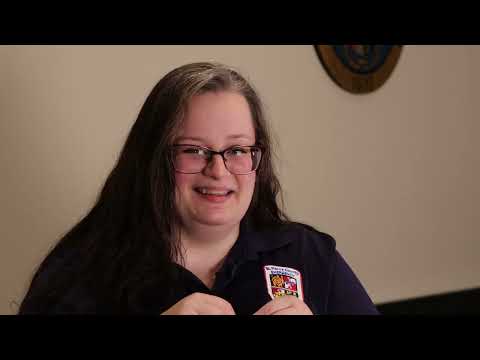
The comments, delivered during the meeting's public-comment segment, emphasized training length and on-the-job supports. Speaker 1, a commenter, said, "So I have always been somebody who wants to help people. I've always had that mentality. I've always been the mom friend." Speaker 2, a commenter, encouraged others considering similar roles, saying, "Well, you have helped people in a time of need. Now, it's just a different type of emergency. Don't think that you're not able to do it. It takes some training. It takes, you know, some trust." Speaker 3, a commenter, described the formal training and on-shift support: "Before you take that first 911 call or you take that first call that you're dispatching on the air, you are trained. You go through a training program that lasts 6 to 8 months. Every single minute of the day, there's somebody in the room that you can lean on and talk to and support you."
Commenters also described daily work conditions. Speaker 1 said the team is small and tightly bonded: "We are this tiny little 5 person family, and it is quite possibly the best thing. It's the best coworker relationship on the planet." Speaker 3 noted the length of shifts and the emotional aspects of the job: "And you do become family. You work actually 12 hour shifts, so you're working a lot of time here." Speaker 1 added, "You hear everyone's worst day and how that may be. It also gives you a zest for life. I've just taken the opportunity to live life to the fullest every single minute of the day."
The remarks supplied several factual details about training and scheduling: commenters said the training program lasts "6 to 8 months," staff commonly work 12-hour shifts and some units operate in teams of about five people. The speakers framed the work as both emotionally demanding and meaningfully supportive, noting immediate peer support while on duty.
No formal board action, vote or policy change was recorded on this topic in the transcript segments provided. The comments were presented as personal accounts and encouragement for others considering similar roles.