Survey and public forums show Wyandotte County residents put streets, cleanup and economic development at top of priorities
Loading...
Summary
Unified Government survey and outreach events show maintenance of city streets, cleanup of junk/trash and economic development rank highest for residents; staff and public works responded to results and explained funding/maintenance constraints.
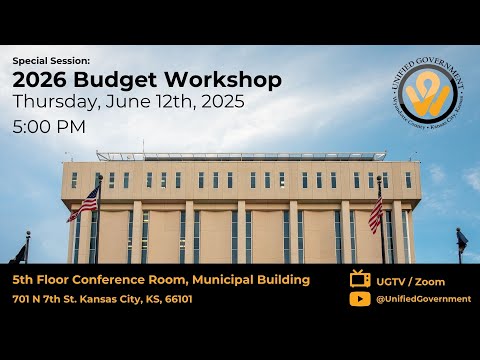
A community survey and follow‑up public engagement presented at the June 12 budget workshop showed Wyandotte County residents ranked maintenance of city streets, cleanup of junk and debris, and economic development among their top priorities.
Mike Grimm, unified government research manager, summarized the ETC Institute survey results. The survey received 1,260 responses (approximately 630 city and 629 county), with a margin of error of about ±2.8 percentage points. Grimm said respondents rated maintenance of city streets the single highest priority to receive emphasis over the next two years: 75% of respondents named streets among top priorities while only about 13% said they were satisfied with street maintenance in the city survey.
Grimm said other high‑priority, low‑satisfaction items included enforcement of property maintenance (cleanup of junk, trash, debris) and economic development. He added that overall perceptions had shifted since 2022: the proportion saying the overall quality of life in Wyandotte County was satisfactory fell 11 percentage points and perceived appearance of the county fell 8 points.
Adrian, a senior budget analyst, described the outreach events. The fourth annual “Dot Talk” community conversation focused on resident priorities; participants ranked customer service and economic development among the most important commission priorities. A public input session held the prior week produced similar results, with residents asking staff to invest in infrastructure, public safety, parks, senior services and economic growth.
Public‑works staff responded to questions about the survey’s street‑maintenance ranking. Troy Schock, public works director, explained that some high‑visibility road projects — for example Leavenworth Road — were state projects led by KDOT and funded at the state/federal level, while most day‑to‑day pavement preservation and mill‑and‑overlay work is funded with local dollars. Schock noted the scale of maintenance demand: public‑works crews patched roughly 41,000 potholes in the prior year, compared with about 1,050 potholes patched by a suburban peer (Overland Park) noted for better pavement condition.
Why it matters: The survey and outreach findings feed the budget conversation by identifying resident priorities that may guide spending choices. Staff said roadway maintenance and cleanup repeatedly rate highly and that the commission has increased pavement preservation funding in recent years; the survey shows residents want continued or expanded investment.
Ending: Staff said the survey is one input into the 2026 budget process and that additional analysis by department and by commission district is possible; commissioners encouraged public attendance at the July 10 and August budget meetings to ensure their priorities are heard.