Get Full Government Meeting Transcripts, Videos, & Alerts Forever!
Get email alerts on the County Budget topic
No spam. Unsubscribe anytime.
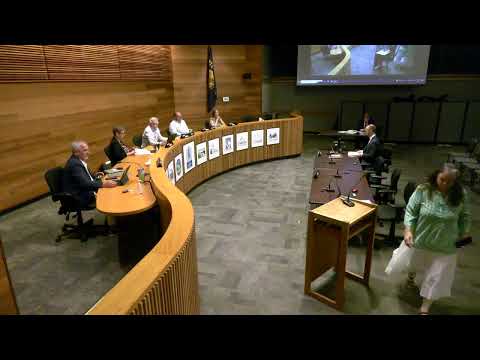
Lane County commissioners reject proposal to cut $75,000 in office discretionary accounts
Summary
Commissioners debated and voted down a proposal to eliminate five commissioners' $15,000 annual discretionary office accounts, a measure intended to show shared budget sacrifice amid shortfalls. The motion failed 3–2 after discussion about local uses of the funds and limits on budget changes before final adoption.
Lane County commissioners defeated a proposal Tuesday to remove the discretionary office accounts for the five county commissioners, a change that would have cut $75,000 from the approved fiscal year 2025–26 budget.
The proposal, introduced during a public hearing on the approved budget, would have eliminated five $15,000 annual discretionary accounts used by commissioners for office expenses and community grants. The motion was moved and seconded and failed on a 3–2 vote.
The budget hearing began with a brief summary from Christine Moody, the county's budget and financial planning manager, who said the budget approved by the Lane County Budget Committee on May 20 reflects a reduction of just over $9 million in resources and requirements and a loss of seven full‑time equivalent positions. Moody said the final approved budget totals just over $1.2 billion and covers slightly more than 2,000 FTEs. The public hearing is required under ORS 294.453 and notice was published under ORS 294.438.
Commissioner Christine Frager said the proposal would demonstrate that elected officials are sharing in the “pain” of an austere budget environment and cited concerns about state and federal funding shifts. Frager proposed eliminating the five discretionary accounts — each $15,000 per office — for total savings of $75,000. Supporters described the accounts as symbolic contributions to the organization’s shared reductions; opponents argued the funds are used locally for small projects and emergency needs.
Vice Chair and several commissioners described examples of how the discretionary funds had been used to leverage outside dollars — from funding neighborhood newsletters and school programs to helping a Mapleton water‑well resiliency project and a drone program that assisted public safety. Commissioners who opposed the motion said the accounts enabled small, targeted investments and community partnerships that would not otherwise be funded.
Budget staff also advised the board about legal and procedural limits on changes before final adoption: expenditures in any fund cannot be changed by more than 10 percent and property taxes levied by the budget committee cannot be altered at this stage. Moody reminded the commissioners that the work session for final budget adoption is scheduled for June 24, at which time departments will present any adjustments.
After discussion, the motion to eliminate the discretionary accounts failed 3–2. The board will return to the budget for final adoption at the scheduled work session on June 24.